Trump and Rubio's escalating rhetoric show a Cuban invasion could be imminent
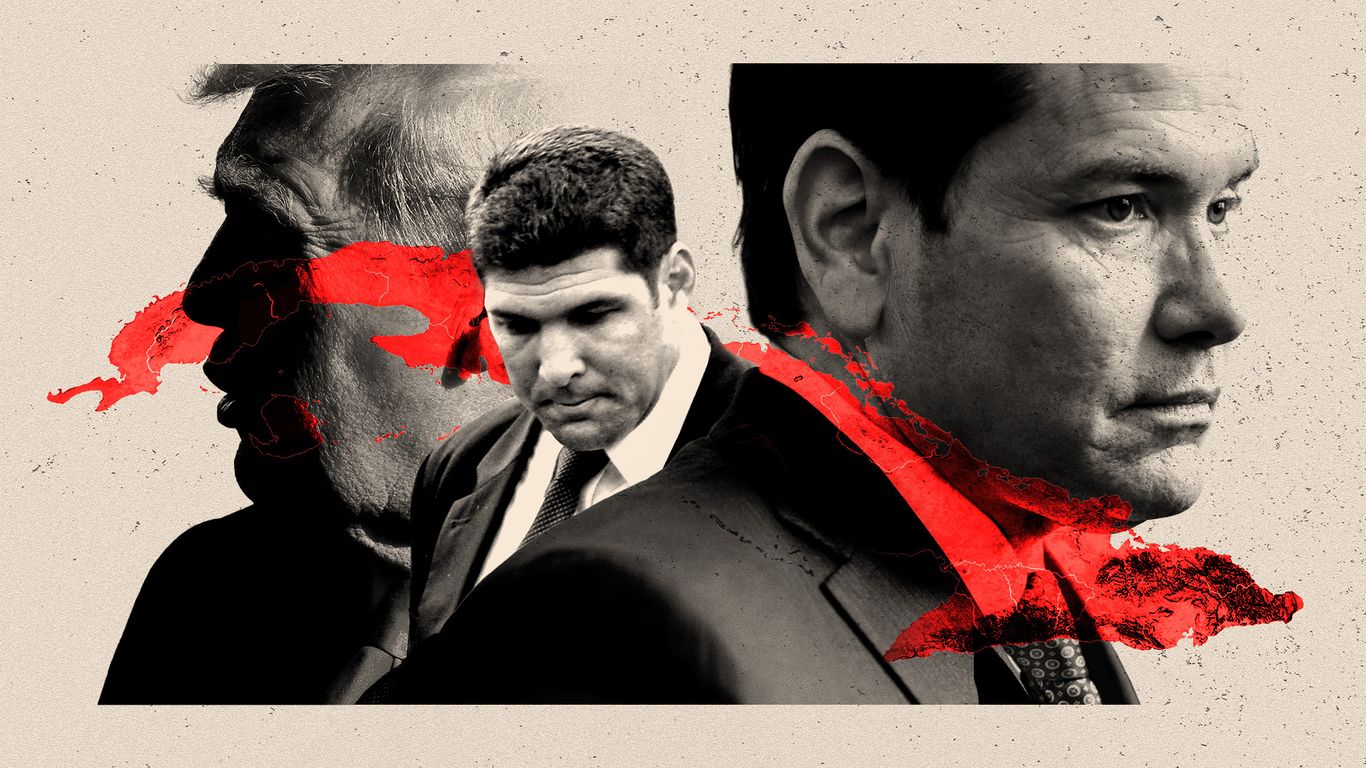
The article uses alarmist framing ('escalating rhetoric,' 'could become reality,' 'imminent') to amplify threat narratives without substantive evidence or counter-perspectives. The lead centers Trump and Rubio's statements as primary framing, treating campaign rhetoric as actionable policy. The historical comparison to the 1962 missile crisis inflates current tensions, and the piece relies on government-sourced perspectives without meaningful skepticism or expert voices questioning the likelihood of invasion.
Primary voices: elected official, state or recognized government
- This article does not address historical U.S. military intervention failures in the region or Cuban government perspectives on these threats
- This article does not explain the practical or legal barriers to a unilateral invasion under international law
- This article does not include independent expert analysis on the credibility or likelihood of these invasion threats
Framing will likely shift if invasion threats materialize into concrete military movements or international diplomatic responses; currently speculative language may become outdated quickly.
Establishment framingHawkish framingCharged language
President Trump is increasing pressure on Cuba's government, elevating concerns that his continued threats to invade the Caribbean island could become reality. Why it matters: A U.S. invasion of Cuba would mark the most dramatic confrontation between Washington and Havana since the 1962 missile crisis — and the boldest test yet of Trump's campaign to expand America's influence in the Western Hemisphere under his version of the Monroe Doctrine. State of play: U.S. surveillance and reconnaissance
Full article not available — click below to read at the source.
Comments
No comments yet. Be the first.
Sign in to leave a comment.