Women, Babies At Risk After SCOTUS Authorizes Mail-Order Abortion For Now
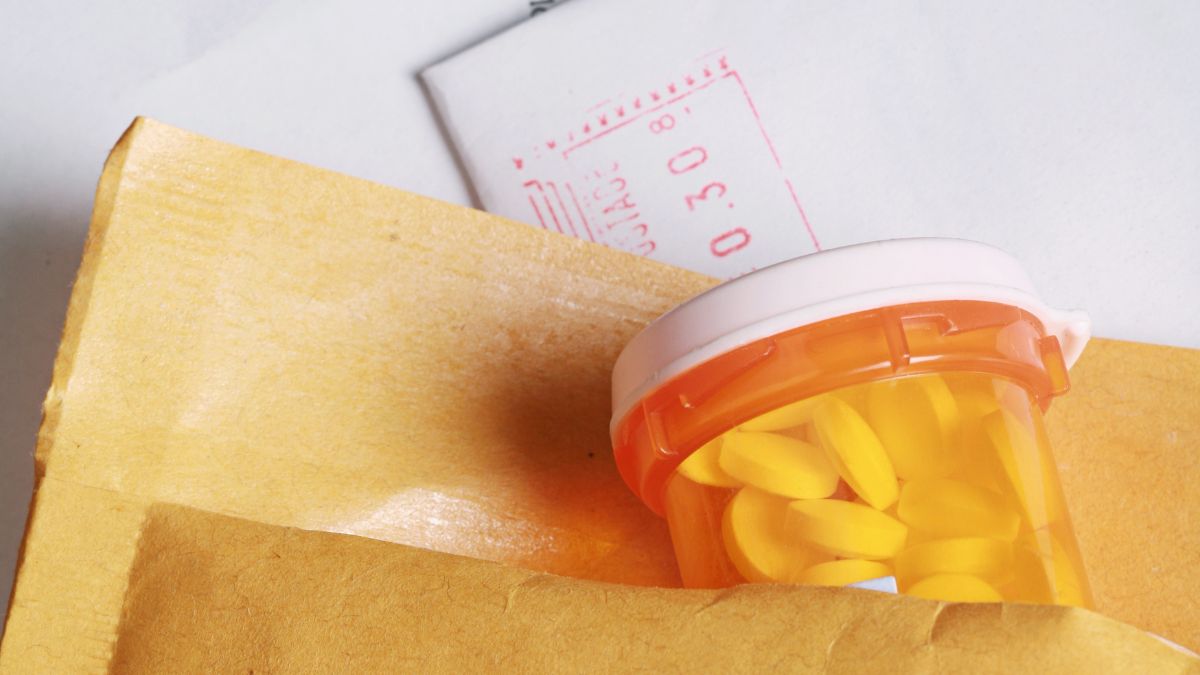
Online abortion pill sellers can continue illegally trafficking mifepristone into pro-life states until litigation over a landmark abortion drug lawsuit out of Louisiana is resolved, the Supreme Court ruled on Thursday. The high bench’s grant of mifepristone manufacturers’ emergency appeal endangers women and babies who are not required by the U.S. Food and Drug Administration to receive in-person medical care before or after obtaining abortion pills.
The 5th Circuit Court of Appeals initially paused the FDA’s mail-order abortion permissions when it unanimously granted Louisiana’s request for a stay at the beginning of May. Two days later, the Supreme Court temporarily halted the 5th Circuit’s block.
After hearing briefs from both sides, the Supreme Court ruled seven to two on Thursday evening that mifepristone manufacturers had demonstrated enough of a case for emergency relief from the 5th Circuit’s intervention by claiming “substantial financial interest.” Under this ruling, the radically relaxed abortion pill policies introduced by the Biden administration and allowed to stand under the Trump FDA will remain while the case is further litigated in the 5th Circuit.
SCOTUS may not have weighed in on the merits of the case, but dissenting Justices Clarence Thomas and Samuel Alito did not hold back on chastising the majority for its decision. Thomas, in addition to emphasizing the 5th Circuit’s belief that abortion pill makers “have not satisfied their burden for securing interim relief,” warned that the prevalence of mail-order mifepristone violates the Comstock Act.
“Applicants are not entitled to a stay of an adverse court order based on lost profits from their criminal enterprise,” Thomas continued. “They cannot, in any legally relevant sense, be irreparably harmed by a court order that makes it more difficult for them to commit crimes.”
Alito warned in his dissent that even if the FDA “were to execute an abrupt about-face and commence enforcement of the in-person-dispensing requirement,” mifepristone makers still “have not shown that they would suffer irreparable injury.”
Alito further reprimanded his colleagues by dubbing their “unreasoned order granting stays in this case” as “remarkable.”
“What is at stake is the perpetration of a scheme to undermine our decision in Dobbs v. Jackson Women’s Health Organization, 597 U. S. 215 (2022), which restored the right of each State to decide how to regulate abortions within its borders,” Alito wrote.
Even more at stake than the sovereignty of states like Louisiana are the babies and women who are at risk of harm and abuse linked to abortion drugs sent by mail.
Mifepristone maker Danco Laboratories, the FDA, and corporate media insist that pregnancy-ending pills are safe, but it’s no secret that chemical abortion is associated with side effects such as bleeding, “fast, weak pulse,” “trouble breathing,” diarrhea, dizziness, headache, vomiting, “pain” across the back, arms, neck, and abdomen.
A 2025 analysis of insurance data found that more than one in 10 women who take mifepristone suffer even more serious complications such as hemorrhage or infection. The risk of contracting a life-threatening event is at least 22 times higher than what the FDA and Danco claim. Peril only increases if a mother whose pregnancy is further along than the recommended 10 weeks uses mifepristone, an easy thing to do without an in-person doctor visit to diagnose gestational age.
Mifepristone is the most popular abortion drug on the market, even without data accounting for pills illegally mailed to women in pro-life states. The prominence and promotion of mail-order abortion drugs has undoubtedly contributed to the deadly and dangerous consequences of forced chemical abortion.
Stories about women like plaintiff Rosalie Markezich suffering but surviving abortion pill poisonings and coerced abortions flooded the airwaves ahead of Louisiana’s landmark lawsuit against the FDA and mifepristone manufacturers. It’s abortion pill makers’ concerns about “compliance costs and mifepristone profits,” however, that have temporarily won out over concerns about women and babies.
The FDA continues to claim in the wake of Commissioner Marty Makary’s exit that it is “committed to protecting the health and safety of women” and emphasizes that the Supreme Court’s order simply “maintains the status quo.”
To Louisiana, Markezich, and the pro-life groups who have called on the FDA to reinstate some of the common-sense abortion pill safeguards, which do not require a full review to restore, the “status quo” isn’t good enough.
“We are disappointed by this decision that allows the FDA and the abortion industry to continue nullifying Dobbs and its promise to return the issue of abortion to the people,” Alliance Defending Freedom Counsel Erin Hawley said in statement. “It’s high time the Biden FDA be held accountable for the destruction it has caused with this high-risk drug. Together with Louisiana Attorney General Liz Murrill’s office, we look forward to litigating our appeal at the 5th Circuit to protect mothers and their children.”
SBA Pro-Life America President Marjorie Dannenfelser wrote her organziation is “deeply disappointed the Supreme Court will not respond to the harm occurring nationwide with mercy” and admonished the Trump administration to “do the right thing.”
“Settle this case and restore in-person dispensing immediately, while moving forward on a comprehensive safety review of mifepristone without delay,” Dannenfelser concluded. Alito warned in his dissent that even if the FDA “were to execute an abrupt about-face and commence enforcement of the in-person-dispensing requirement,” as Dannefelser requested, mifepristone makers still “have not shown that they would suffer irreparable injury.”
Jordan Boyd is an award-winning staff writer at The Federalist and producer of “The Federalist Radio Hour.” Her work has also been featured in The Daily Wire, Fox News, and RealClearPolitics. Jordan graduated from Baylor University where she majored in political science and minored in journalism. Follow her on X @jordanboydtx.
Comments
No comments yet. Be the first.
Sign in to leave a comment.