Trump leaves China with little of substance after summit
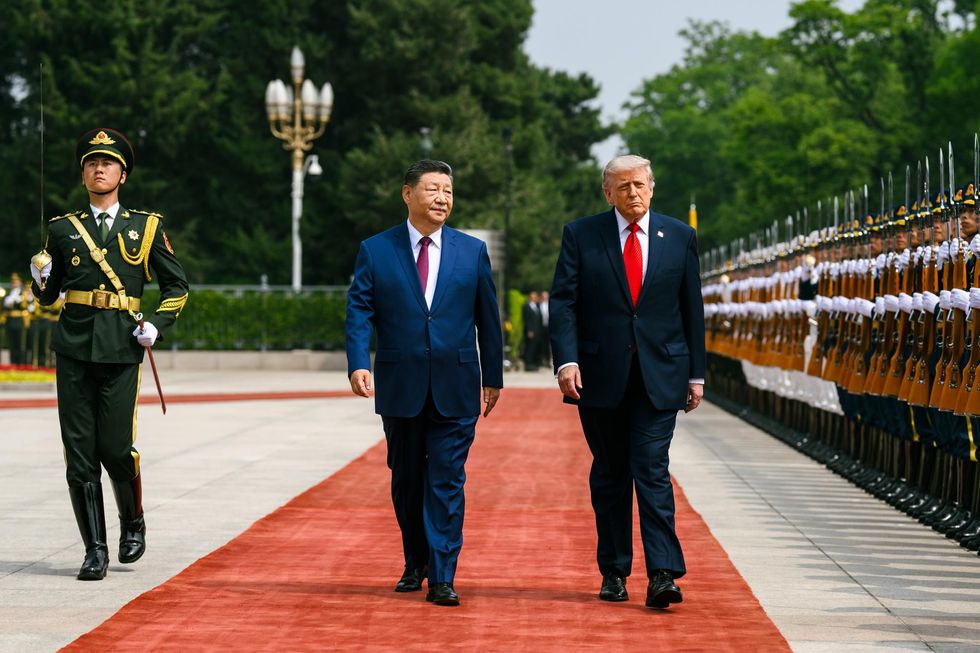
The much anticipated (and in some quarters feared) summit between Presidents Donald Trump and Xi Jinping is over, with nothing much to show for it.
It was, of course, good that the two presidents met, and perhaps some economic deals were made. There was much pomp and circumstance and compliments exchanged; tea was poured, sea slugs were eaten, and tours were given for Trump, but absolutely nothing of substance took place.
The only notable events that occurred were that Xi supposedly “warned” Trump regarding Taiwan, and the two leaders agreed to search for a constructive level of “strategic stability” between their two nations. The Taiwan comment was splashed all over the headlines of numerous media outlets as if a Chinese declaration of war was made, and the latter was criticized by some as a “trap” set for Trump that would manipulate the United States into doing Beijing’s bidding.
Critics of an effort to achieve strategic stability fear that this will somehow undermine America’s need to focus, laser-like, on intensely competing with China in every way. And Xi’s “warning” that the Taiwan issue could result in a conflict if not handled properly was seen as a kind of threat or signal of Beijing’s belligerent intention.
Both notions are frankly ridiculous. The Chinese have been raising the danger over Taiwan for years. It is a statement of fact. The only error in Xi’s statement regarding the island is his implication that the United States was the sole source of the danger.
In reality, both sides are contributing to a slide toward a Taiwan crisis by their steady erosion of the understanding between them that has kept the peace across the Taiwan Strait for decades: the U.S. One China policy, and the Chinese assertion of a preference for peaceful unification over any use of force.
A search for strategic stability makes complete sense. The notion is hardly a trap. The United States has agency in any engagement with Beijing. It can decide for itself what strategic stability means and how to pursue it.
Those who think it is a trap seem to feel that Washington is somehow weak and lacks confidence in dealing with China. That is certainly not the case, or need not be. And there is no reason why the United States cannot both compete with China and seek stability in its overall relationship. Those who reject this idea seem to be courting instability.
If the Trump-Xi summit has produced more rhetoric-based stability in the U.S.-China relationship, great. But unfortunately, the lack of any substantive movement forward toward resolving or moderating the many issues of contention that divide the two nations will likely make such stability only a passing phase, not an enduring reality.
Comments
No comments yet. Be the first.
Sign in to leave a comment.