GOP Eyes Death Penalty for Fentanyl Sale, as DOJ Calls for More Executions
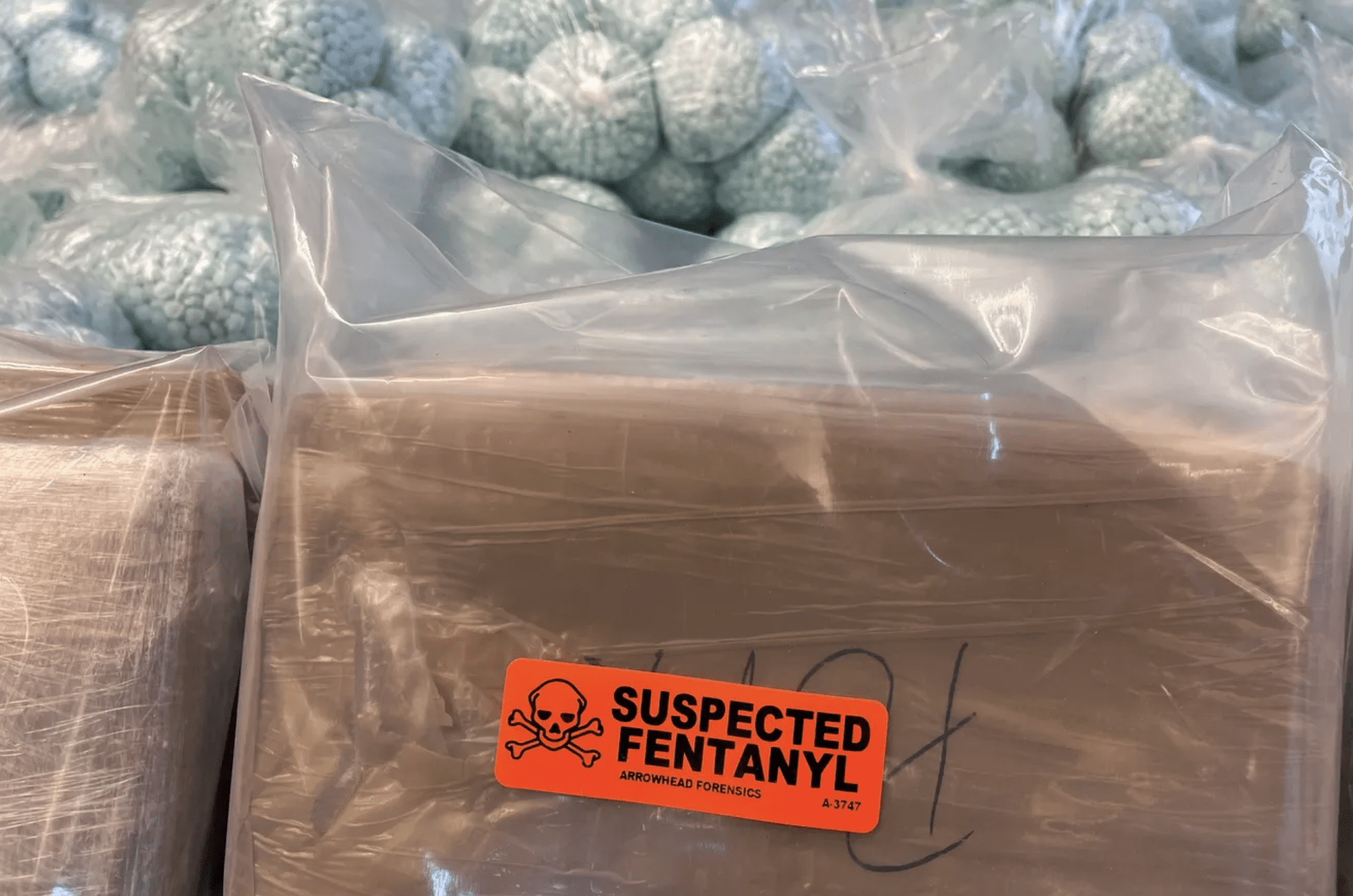
Under a proposed amendment to the Controlled Substances Act, defendants in federal overdose cases could face the death penalty for selling fentanyl involved in the victim’s death. Though the legislation is hardly the first to propose capital punishment for people who sell drugs, it arrives into a very different political landscape than its predecessors—one of unprecedented interest in the federal death penalty.
The Deal Death, Face Death Act was introduced May 12 by Rep. Chip Roy (R-TX). It would apply to any quantity of fentanyl or fentanyl-related substances, and in addition to the death penalty it would impose a fine of up to $2 million. If the defendant is an entity as opposed to an individual, the fine could be up to $10 million. Roy claimed in his announcement that the legislation “closes a dangerous loophole,” and equated selling someone fentanyl to having “signed that person’s death warrant.”
The introduction of this particular bill may have something to do with the fact that Roy is running for Texas attorney general, and currently gearing up for a runoff primary (the only other candidate is also a Republican) on May 26. However, it is a natural fit in the administration’s larger agenda.
In April, the Department of Justice unveiled substantial changes to the federal death penalty, including executions by firing squad and shortened appeal processes. In the DOJ announcement, Acting Attorney General Todd Blanche claimed that the Biden administration had failed the public by not using “the ultimate punishment against the most dangerous criminals, including terrorists, child murderers, and cop killers.”
Though the DOJ didn’t reference fentanyl distribution specifically, it almost doesn’t have to. Over the past year, both federal and state lawmakers have laid significant legal groundwork codifying people who sell drugs as terrorists and child murderers. The DOJ announcement went on to state that the previous administration should have pursued the death penalty for “drug dealers who murdered law enforcement officers.”
Trump has expressed multiple times that we can execute our way out of the overdose crisis.
President Donald Trump himself has expressed multiple times that we can execute our way out of the overdose crisis.
“Every drug dealer, during his or her life, on average, will kill 500 people with the drugs they sell,” he claimed in 2022, while announcing his 2024 presidential run. “We’re going to be asking everyone who sells drugs, gets caught selling drugs, to receive the death penalty for their heinous acts. Because it’s the only way.”
A number of other lawmakers have proposed capital punishment for fentanyl deaths in recent years, such as Rep. Paul Gosar (R-AZ) with the Death Penalty for Dealing Fentanyl Act of 2023. A Senate counterpart, the Felony Murder for Deadly Fentanyl Distribution Act, was introduced by Secretary of State Marco Rubio (R), who was representing Florida at the time.
Similar attempts have also been made at the state level—both in states where the death penalty is legal, like Arizona, and in those where it is not, like New Mexico. In West Virginia, which abolished capital punishment in 1965, State Senate President Craig Blair (R) has made several calls to reinstate it for wholesale fentanyl distribution, with no requirement that the fentanyl be linked to overdose deaths at all. The blueprint for this is federal-level, and has existed for decades.
The United States has never imposed the death penalty for drug distribution, even though in some cases it has the legal authority to do so.
After the federal death penalty was suspended by the Supreme Court in 1972, President Ronald Reagan brought it back in 1988 with the Anti-Drug Abuse Act. The legislation authorized capital punishment in federal cases against anyone found responsible for an “intentional killing” during the course of major drug-trafficking operations.
What became known as the “drug kingpin statute” paved the way for President Bill Clinton to authorize the death penalty for distribution in and of itself, as part of the Violent Crime Control and Law Enforcement Act of 1994. The Act made dozens of additional federal convictions eligible for the death penalty, but only three applied to situations where no victim had been killed: espionage, treason and “non-homicidal narcotics offenses.”
A Contemporary Justice Review analysis published in April compared the rhetorical tactics that the Trump and Reagan administrations used to argue for the death penalty in death-by-distribution cases and in homicide cases involving “kingpins,” respectively. Media coverage and presidential speeches revealed three major commonalities: a focus on the defendant’s intent and on the impact of drug distribution; appeals to emotion; and racial scapegoating.
“Such claims seek to widen the definition of murder, in turn broadening the criminalization of people who use drugs,” wrote author Joshua H. Stout of the Illinois State University Department of Criminal Justice Services. “Such an approach may increase the number of overdose deaths by undermining Good Samaritan Laws and impacting the likelihood that users will contact emergency services during an overdose event, thus undermining the purported intent of these policies to reduce overdose deaths.”
The United States has never imposed the death penalty for drug distribution, even though in some cases it has the legal authority to do so. However, of the 16 people executed by the federal government in the past half-century, 13 were during Trump’s first term.
Comments
No comments yet. Be the first.
Sign in to leave a comment.