Lithuanian PM Ruginiene: The urgent case for returning Ukraine's children
The article centers an elected official's advocacy perspective without presenting Russian government responses or alternative interpretations of contested claims. Language choices ('deliberate policy,' 'crimes,' 'cultural eradication,' 'chilling strategy') are emotionally charged and frame Russian actions in maximally negative terms. The framing emphasizes humanitarian outrage and international accountability mechanisms while omitting Russia's stated rationale, disputed casualty/deportation figures, or counterarguments, creating a one-sided advocacy narrative rather than balanced reporting.
Primary voices: elected official, international body, NGO or civil society, state or recognized government, media outlet
- This article does not address Russian government statements or alternative characterizations of the relocation of children.
- This article does not provide independent verification of the specific numbers of children forcibly removed or contested definitions of 'forced deportation' versus evacuation.
- This article does not examine differing international legal interpretations of whether the described actions constitute war crimes under disputed circumstances.
As investigations into child deportation claims continue and legal proceedings develop at international courts, the framing may shift if verified numbers or contexts change materially.
Establishment framingHawkish framingCharged language
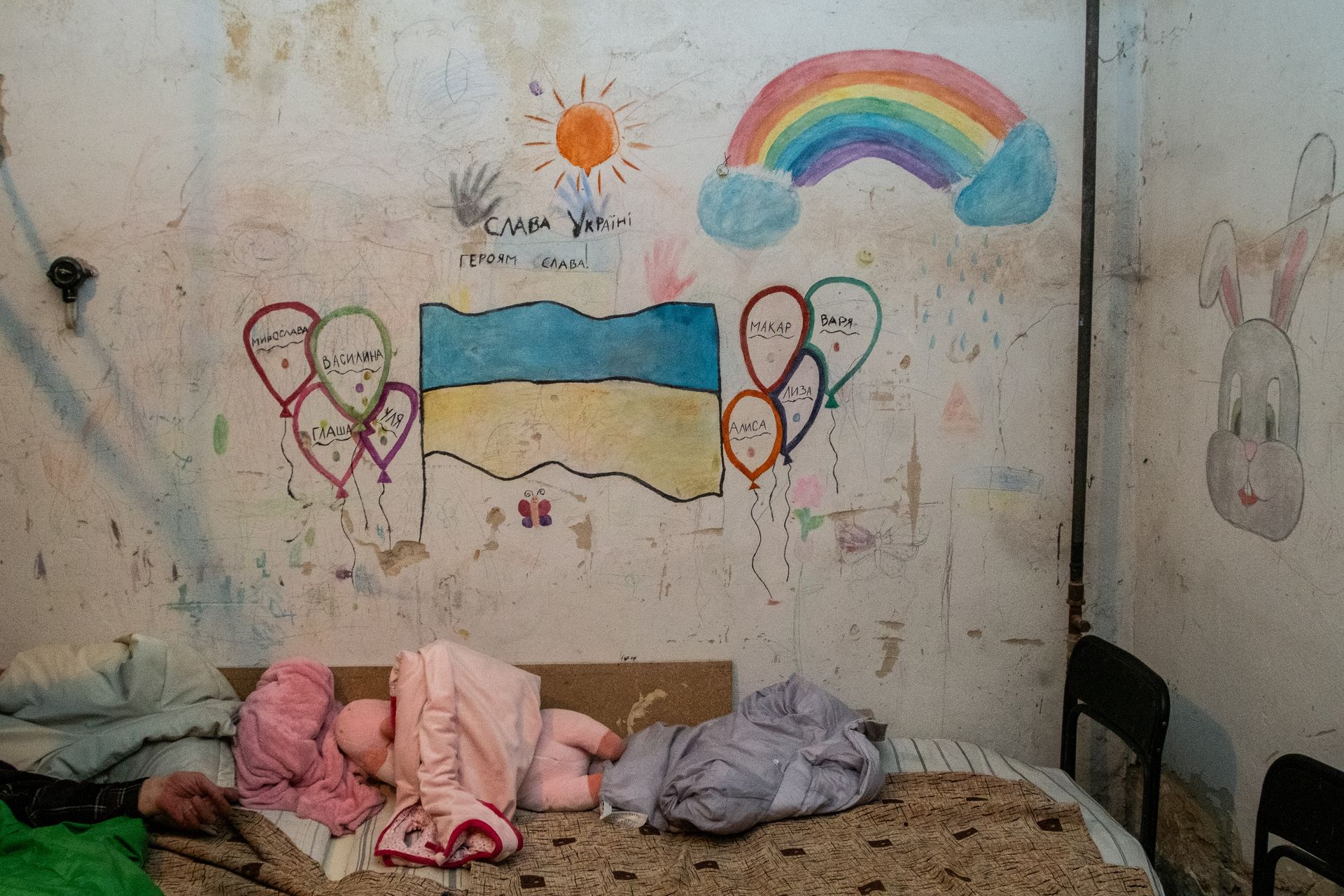
Children's paintings on the wall in the basement of a children’s polyclinic in Chernihiv, Ukraine, in March 2022. (Roman Zakrevskyi / The Kyiv Independent)
Some moments in politics go beyond statistics and charts. What remains is the human story underneath it all. The fate of Ukraine's children is one of those moments.
As a mother and as a representative of a nation that knows the cost of occupation, I cannot speak about deported, separated, and traumatized children in abstract terms. These are not numbers. These are sons and daughters taken from their homes, separated from their families, stripped of their identity, and placed into systems designed to erase who they are.
What has been done to Ukrainian children is not accidental. It is a deliberate policy carried out by Russia. Deportation, indoctrination, and militarization are not side effects of war — they are crimes and must be treated as such.
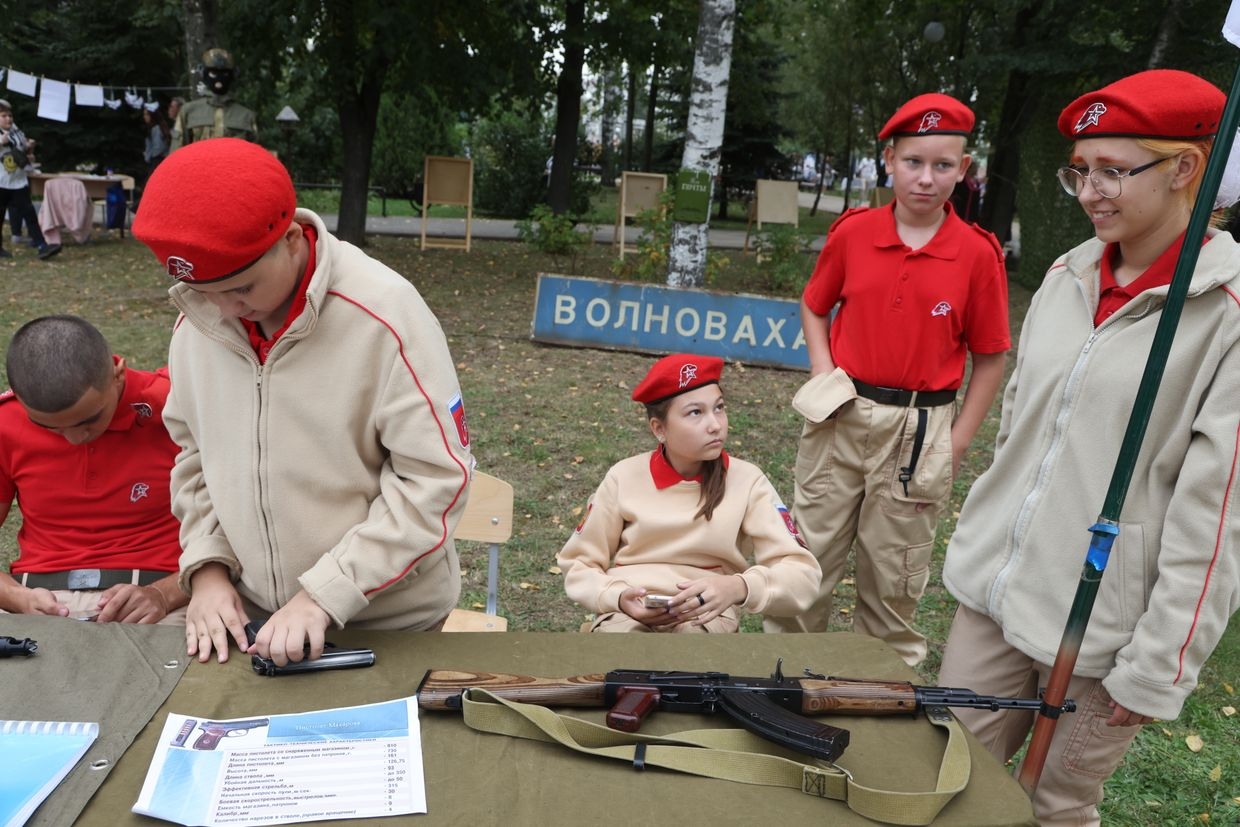
Russia has forcibly removed tens of thousands of Ukrainian children from their homes, sending them across the border into Russian territory. These children have been placed in orphanages or foster families, undergoing indoctrination to erase their Ukrainian identity.
The children face intense pressure to adopt Russian citizenship and abandon their language, culture, and family ties. In some cases, documents falsifying their origins have been created to facilitate permanent assimilation.
Global condemnation must be stronger. Advocacy groups are calling for immediate investigations, the safe return of the children to their families, and accountability for the Russian officials orchestrating the program. These acts represent a chilling strategy of cultural eradication, leaving an indelible mark on Ukraine's youngest generation and reinforcing the urgent need for international intervention.
Lithuania has been among the strongest advocates for accountability — from supporting the International Criminal Court to advancing sanctions against those responsible. We will continue to push for stronger international mechanisms, because without justice, there can be no lasting peace. And without accountability, there is a risk that such crimes will be repeated.
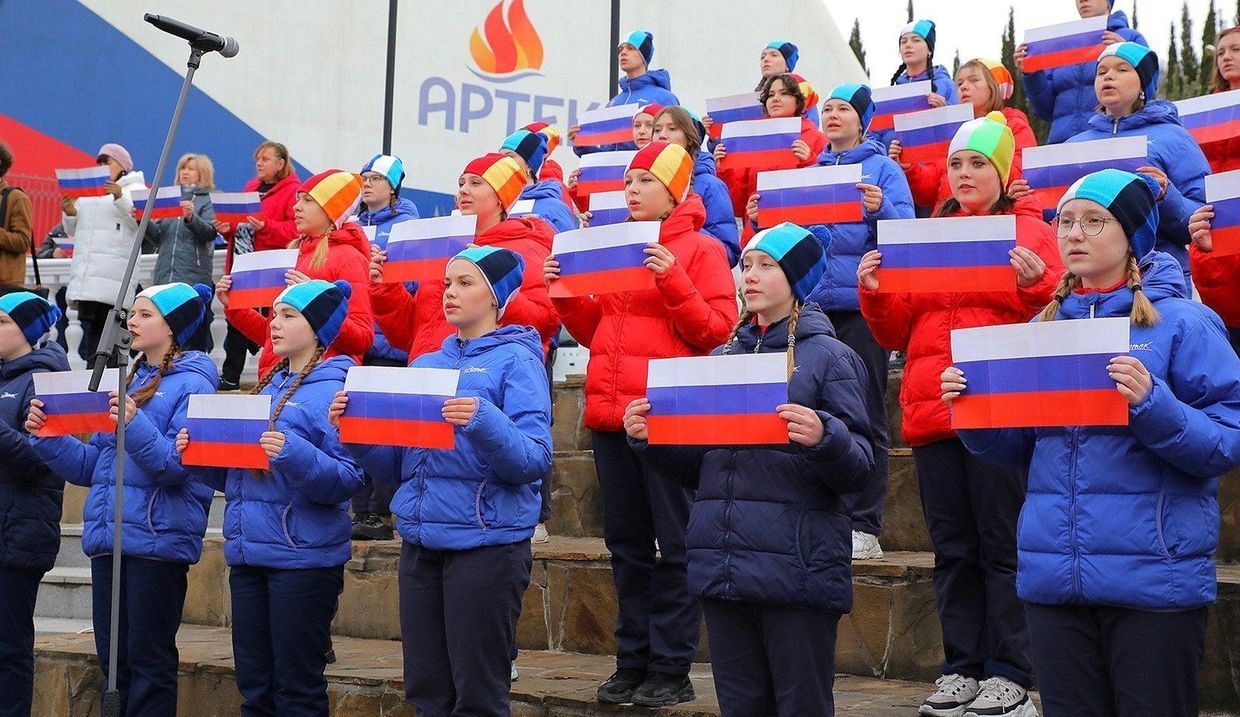
As representatives gathered for the High-Level Meeting of the International Coalition for the Return of Ukrainian Children, we face a defining question. What is at stake here goes far beyond a humanitarian concern — it is a test of our collective resolve to defend human dignity, uphold international law, and safeguard the future of Europe.
Lithuania's approach is simple but firm: children come first.
We believe that every child must come home — and that this requires more than statements of support. It requires systems that work, partnerships that deliver, and political will that does not waver. That is why we are working not only to keep this issue high on the international agenda, but to translate political will into operational reality.
Together with Ukrainian institutions and international partners, we are supporting the identification, tracing, and verification of deported and forcibly transferred children. We are helping identify and verify cases of deported children, ensuring that each confirmed case supports both return efforts and accountability. At the same time, we are working to make returns possible in practice — through safe transit, proper documentation, medical care, and protection at every stage. This work is complex, often sensitive, and not always visible — but it is the only way to move from promises to results.
What happens after Russia’s abducted children finally return to Ukraine?
One of the most grievous crimes Russians have committed during their full-scale war against Ukraine strikes at the most vulnerable part of society — children, who have become Russian assets, stripped of their home, their family, their language, and the life they once knew. The emotions you feel when you see them — each of the now 2,100 who have returned — are nearly impossible to put into words. You see a child who has lived through a harrowing experience and is now trying to rebuild their life
Yet return is only the beginning. These children carry experiences that do not end the moment they cross the border home. Recovery takes time, care, and stability. Lithuania is investing in that next phase — reconstructing child and family centers, providing housing, strengthening foster care, and working with Ukrainian and international partners to deliver trauma-informed support. We are also opening our own society — hosting children, supporting their physical and mental recovery, and giving them space to feel safe again.
Lithuania will come forward with concrete contributions — support for civil society organizations working on tracing and return, additional resources for international mechanisms, and a firm commitment to advancing the Better Care reform. But the scale of this challenge goes far beyond.
We need more countries to step forward. To contribute politically, financially, and operationally. To enable returns, to invest in reintegration, and to strengthen accountability. We need political courage to sustain pressure, and practical commitment to make solutions work.
We should also not forget to hold Russia accountable for the crimes it has committed against Ukraine's youngest.
The international community cannot allow these acts — clear violations of international law and potential war crimes — to go unpunished. Targeted sanctions, legal accountability in international courts, and diplomatic isolation are essential to signal that forcibly erasing a nation's children will not be tolerated. Justice for the victims and their families must be non-negotiable, and Russia must be held fully responsible for the human and cultural devastation it is inflicting.
Because this is not only about Ukraine, it is about the Europe we want to live in, and the world we are willing to stand up for.
Ukraine's children are not only Ukraine's responsibility. They are Europe's responsibility. And today, more than ever, Europe must prove that its principles have real substance — that no child is left behind.
Comments
No comments yet. Be the first.
Sign in to leave a comment.