Does OPEC Still Matter?
The article centers expert voices from established think tanks (Baker Institute at Rice University, Arab Gulf States Institute) and academic fellows, presenting a measured, institutionalist analysis of OPEC's structural viability. Language is analytical rather than charged ('signal its intent,' 'reassert control'), and the framing treats OPEC as a rational actor managing state interests within a geopolitical context.
Primary voices: academic or expert, think-tank affiliated analyst
- This article does not address the impact of OPEC withdrawal on global energy consumers or inflation.
- This article does not examine OPEC's role in price-fixing or its effects on oil-dependent developing economies.
- This article does not discuss climate implications or the transition away from fossil fuel dependence.
- This article does not include perspectives from energy industry workers or labor advocates affected by OPEC policy.
Framing may shift as the quota system transitions in 2027 and as regional conflicts (Iran-Saudi tensions, Strait of Hormuz closure) evolve or resolve.
Academic-sourcedThink-tank-citedEstablishment framing
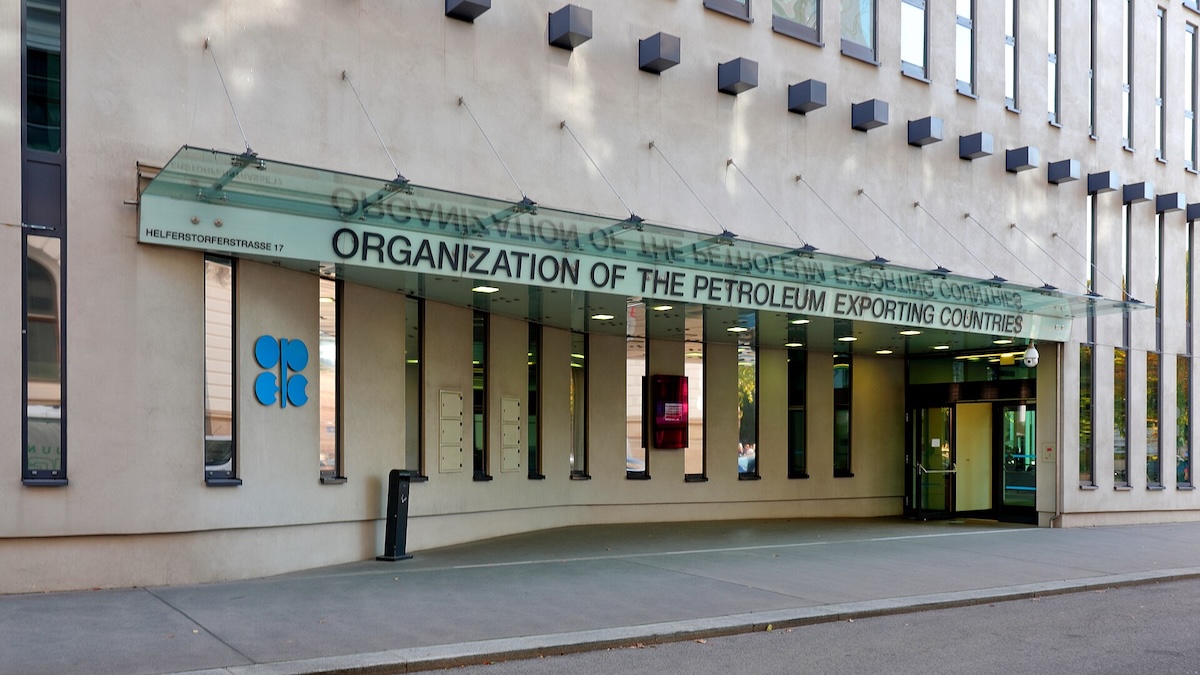
On April 28, the United Arab Emirates announced that it would leave OPEC, effective May 1 — ending nearly six decades as an OPEC member. In terms of oil production, it is the most significant country to leave the group. While multiple factors drove the decision to leave, the timing is notable — as the war with Iran has led to the closure of the Strait of Hormuz and focused global attention on oil prices. We asked four experts to consider the impact on OPEC’s future.Read more below. Kristian Coates Ulrichsen Fellow for the Middle East at the Baker Institute Co-Director of the Middle East Energy Roundtable at Rice UniversityOPEC will survive the departure of the United Arab Emirates, but the withdrawal of the group’s fourth-largest producer will have an impact that exceeds that of other recent exits — Qatar in 2019, Ecuador in 2020, and Angola in 2024. For the first time in the organization’s 66-year history, one of the heavy-hitters has chosen to walk away and signal its intent to prioritize national interests in oil policy over the collective OPEC-era framework. Officials in Saudi Arabia may view the absence of sparring with Emirati counterparts over oil price and output levels as an opportunity to reassert control over OPEC, especially in the run-up to the move to a new quota system in 2027. How the Saudis engage with Iraq, within the context of the quota system and Iraq’s persistent overproduction, and with Iran, following Iranian attacks on Saudi energy facilities during the war, will also indicate future directions.Kate Dourian Non-Resident Fellow at the Arab Gulf States Institute Contributing Editor at MEES Fellow at the Energy InstituteThe United Arab Emirates’ exit will weaken OPEC and the OPEC+, but it’s not a terminal blow. Without the United Arab Emirates, the group loses
Comments
No comments yet. Be the first.
Sign in to leave a comment.