Treasury sanctions network accused of helping IRGC sell Iranian oil to China
The article is sourced almost exclusively from U.S. government officials (Treasury Department, Treasury Secretary Bessent) with no counterpoint from Iran, China, or critical analysis of sanctions efficacy. Language is decidedly framing-positive toward sanctions ('Economic Fury' branding repeated, 'desperately tries to regroup'), and the reporting centers official claims about disruption without independent verification. The omission of Iranian or Chinese response, broader debate over sanctions effectiveness, or humanitarian impacts reflects establishment hawkish alignment.
Primary voices: state or recognized government, elected official
- This article does not address Iran's or China's response to these sanctions or their stated justifications for oil trade.
- This article does not examine independent assessments of whether sanctions have achieved stated objectives of disrupting Iranian oil revenue.
- This article does not address humanitarian or economic effects of sanctions on Iranian civilians.
- This article does not provide context on the legal or diplomatic basis for secondary sanctions on Chinese entities.
Framing may shift if sanctions are later assessed as ineffective, if Chinese retaliation occurs, or if broader Iran-U.S. negotiations materialize.
Government-sourcedHawkish framingEstablishment framing
The Treasury Department’s Office of Foreign Assets Control on Monday announced new sanctions on 12 individuals and entities accused of helping Iran’s Islamic Revolutionary Guard Corps sell and transport oil to China through a network of front companies.
The sanctions, part of what has been labeled “Economic Fury,” target people and companies that officials say enabled the Guard to disguise its role in Iranian oil shipments and funnel proceeds back to the country through shell firms based in Hong Kong, Dubai, and Oman, a Treasury official told the Washington Examiner.
Officials said the network helped facilitate sales of Iranian crude to buyers in the People’s Republic of China, a major destination for sanctioned Iranian oil despite years of U.S. restrictions.
“As Iran’s military desperately tries to regroup, Economic Fury will continue to deprive the regime of funding for its weapons programs, terrorist proxies, and nuclear ambitions,” Treasury Secretary Scott Bessent said. “Treasury will continue to cut the Iranian regime off from the financial networks it uses to carry out terrorist acts and to destabilize the global economy.”
Among the sanctioned are three Iranian officials accused of working for the Guard’s Shahid Purja’fari Oil Headquarters, which the Treasury says coordinates payments and oversees oil sales tied to the Guard. The OFAC identified them as Ahmad Mohammadi Zadeh, described as the unit’s chief; Samad Fathu Salami, the finance chief; and Mohammadreza Ashrafi Ghehi, the commercial chief.
The sanctions also target companies that acted as cover firms for the Guard, including Hong Kong-based Hong Kong Blue Ocean Limited and Hong Kong Sanmu Limited, Dubai-based Ocean Allianz Shipping LLC and Atic Energy FZE, Oman-based Zeus Logistics Group, and several trading firms accused of purchasing or arranging shipments of Iranian oil.
Officials allege some of the companies coordinated shipments aboard already-sanctioned tankers carrying millions of dollars’ worth of Iranian oil in 2025, including vessels operating under names such as Cangjie, Gagan, and Hasna.
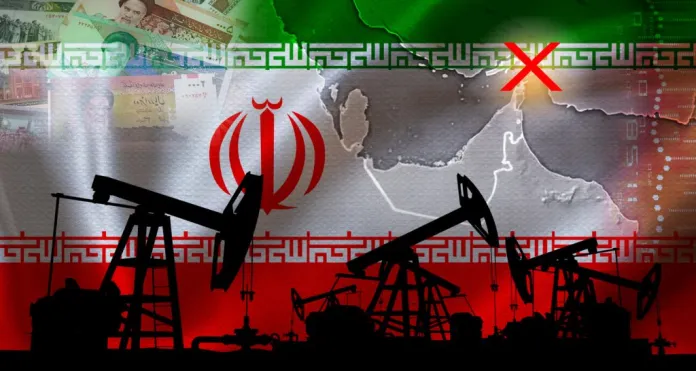
The action comes as the Trump administration expands on what it calls its “Economic Fury” strategy against Iran, a sanctions-heavy campaign designed to disrupt Tehran’s oil revenue and financial operations.
The department said recent efforts have disrupted billions of dollars in projected Iranian oil revenue, helped freeze $500 million in Iran-linked cryptocurrency, and cracked down on what officials describe as Iran’s “shadow banking system.”
The sanctions also reflect growing concern about Chinese-linked supply chains for Iranian crude as Washington seeks to restrict revenue that Iran uses for weapons development, support of military proxy groups, and domestic security operations.
Comments
No comments yet. Be the first.
Sign in to leave a comment.