Axios interview: Reimagining government + business + AI
The article centers OpenAI's corporate perspective through an exclusive executive interview without meaningful counterbalance from labor, civil society, or skeptical voices. Language like 'interdependent' and 'might require' frames corporate interests as pragmatic rather than self-interested; the framing presents AI regulation as a coordination problem between aligned parties rather than one involving conflicting public interests. Axios's interview-driven format amplifies the corporate executive's voice while omitting substantive pushback on conflicts of interest or regulatory capture risks.
Primary voices: corporate or institutional spokesperson, media outlet
- This article does not address labor concerns or worker displacement from AI systems
- This article does not include perspectives from civil society organizations, advocacy groups, or independent experts on AI regulation
- This article does not examine potential regulatory capture risks when industry defines government-business coordination structures
- This article does not present counterarguments about why 'light regulation' may not align with public safety or societal interests
Framing may shift if public backlash against AI or regulatory failures emerge, recontextualizing these corporate preferences as self-serving rather than pragmatic.
Corporate-sourcedEstablishment framingStatus-quo framing
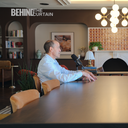
Chris Lehane, OpenAI's chief global affairs officer, fears the rising risk of unpopular AI and told us the solution might be a reorg of government and business. He offered two megapoints in a conversation Tuesday at OpenAI's new office in Washington: The AI companies and government are so interdependent — the companies need light regs, contracts; government needs AI systems — that it might require a new public-private hybrid to manage them. The AI companies could get crushed by bad politics if
Full article not available — click below to read at the source.
Comments
No comments yet. Be the first.
Sign in to leave a comment.