Trump administration lets Russian seaborne oil sanctions waiver expire
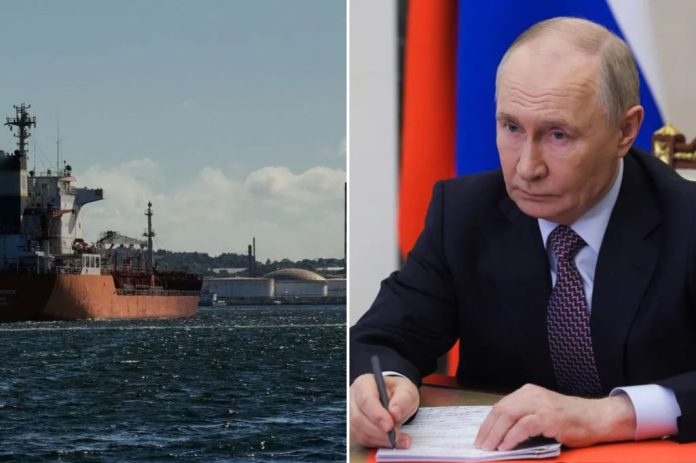
The Trump administration on Saturday chose not to renew a sanctions waiver allowing the purchase of seaborne Russian oil, targeting a key source of revenue for Moscow amid the war in Ukraine.
The waiver was first issued in March as President Donald Trump sought to help contain rising energy prices during the Iran war and disruptions to shipping through the Strait of Hormuz. The waiver reflects debates about how to maintain stability in global oil markets while simultaneously constraining Russia’s energy revenue during the war in Ukraine.
Sen. Jeanne Shaheen of New Hampshire, the top Democrat on the Senate Foreign Relations Committee, and Sen. Elizabeth Warren (D-MA) issued a joint statement Friday calling on the Treasury Department to allow the waiver to lapse.
“Treasury must finally end its ill-conceived policy of helping Russia make even more money from President Trump’s reckless war in Iran. With the average price of gas above $4.50 a gallon, there is no evidence that this license is reducing costs for American families burdened by the President’s conflict in the Middle East.”
The increase in energy prices comes as the Trump administration confronts mounting political pressure over affordability ahead of the November midterm elections. Inflation rose to 3.8% in April, the highest since May 2023.
The waiver was originally issued on Mar. 12 to allow countries to purchase oil and petroleum products from Russia. It was then renewed about a month later, with a Treasury Department spokesperson saying “Treasury wants to ensure oil is available to those who need it.” India asked the United States to extend the waiver on Thursday, according to Bloomberg.
India is the largest buyer of Russian seaborne oil, and it completed record-high purchases in April and May following the issuance of previous sanctions waivers, according to Reuters.
Comments
No comments yet. Be the first.
Sign in to leave a comment.