Pro-family conservatism needs an economic vision
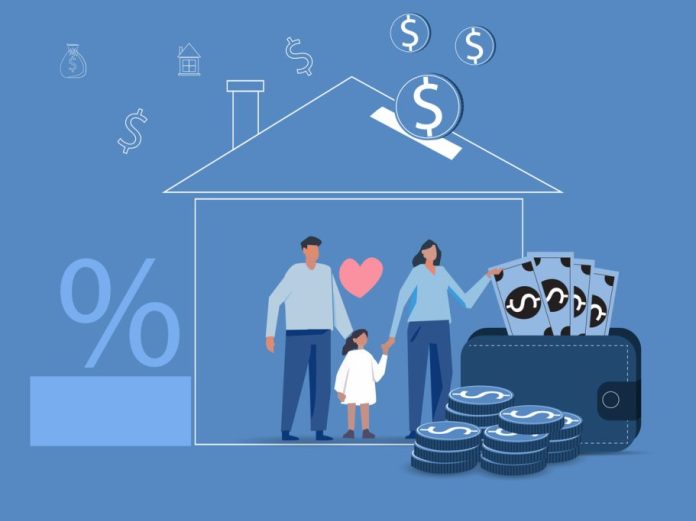
This essay is a part of The Right Way Forward, Restoring America’s new think tank debate series in which leading conservative institutions argue the defining questions of the post-Trump era. Read about the series here.
Conservatism has always been pro-family because what it means to be a conservative, almost by definition, is to treasure the hearth and home. The next phase of conservative thought and energy needs to focus its energies on backing up those pro-family sentiments with an economic agenda to match.
For years, conversations around “family values” have centered on culture war hot-button items, and there the Right has notched some recent victories. Defeating the excesses of the “woke Left” is all to the good, even if much work remains to be done.
But a positive vision for culturally and economically supporting families needs more than just combating radical progressivism. It needs to celebrate and invest in the family, particularly in those earliest and most fragile years of new parenthood.
A family-first agenda has to start with up-front assistance for new parents in the form of a cash benefit at childbirth, commonly referred to as a “baby bonus.” This would be a salient way of demonstrating that the federal government (or a sufficiently motivated state) recognizes that couples who embark on the journey of parenthood are doing something heroic: raising the next generation.
This idea goes beyond just a tweak to the tax code. It would recognize that around childbirth, expenses rise while incomes often become more volatile, new mothers are physically vulnerable, and fathers play an essential role in supporting her and the baby in those fragile first days.
A family-focused politics will, in some cases, overlap with some progressive energies around safety-net spending. It remains the case, for example, that your modal Democratic member of Congress is more likely to want to see the child tax credit substantially increased than the median Republican member. Where bipartisanship can help get an idea across the finish line, it should be pursued.
Supporting parents in those precious years of early childhood should entail financial support — doubling the child tax credit to $4,400 for children under 6 would be a wonderful step — and could become part of a bipartisan package aimed at expanding families’ options and improving maternal healthcare, like we have seen in red states.
But a conservative pro-family politics is its own distinct choice, not an echo of big government spending programs. Conservative economic policy to support families should work with markets, rather than against them, loosening up zoning restrictions that push up housing costs and make it too hard for neighbors to offer less-formal childcare arrangements.
It should approach conversations around big-ticket items like paid leave or childcare with an egalitarian spirit, seeking to modestly expand the choices facing families without putting a governmental “thumb on the scale.” Too often, policymakers propose subsidizing one version of work-life balance without giving those parents who want to take some time away from the labor force sufficient support to make that decision. Their voices need to be heard in Washington, D.C.
So, too, do the concerns of fiscal hawks, who rightly point out the growing federal deficit. Conservatives will never outspend progressives when it comes to a pro-family welfare state, but that shouldn’t mean a pinched, excessively libertarian approach to these questions either. A Burkean, incremental approach that seeks to recognize the burdens young families face can provide a solid footing.
And lastly, a family-first approach to politics needs to grapple with the upstream forces that are making it harder for couples to form and young people to start their own families. The rising cost of housing, for example, will require the political courage to side with young couples hoping to buy their first house against the status quo that favors incumbent, often elderly, homeowners. Other tax gimmicks, like the state push to exempt the elderly from property taxes or the One Big Beautiful Bill Act’s special deduction for seniors, push the burden onto those in their years of family formation.
There are no silver bullets to help us here. Building a pro-family economic agenda starts with recognizing the burdens parents bear and then beginning the slow, deliberate work of putting political muscle behind that vision. For a conservative movement looking for a post-populist economic vision to rally around, one that centers families’ needs could provide a compelling start.
Comments
No comments yet. Be the first.
Sign in to leave a comment.