Inflation Jumps 3.8 Percent as Iran War Pushes Up Energy Costs
The article attributes inflation primarily to geopolitical conflict ('the war in Iran'), using causative framing that emphasizes external shocks over monetary policy or demand-side factors. This reflects anti-interventionist positioning typical of The American Conservative, which questions U.S. involvement in Middle Eastern conflicts. The inclusion of core inflation data (2.8%) provides some analytical balance, but the headline and lead prioritize the Iran conflict as the driver, centering a narrative that blames external conflict rather than Federal Reserve policy or other domestic factors.
Primary voices: state or recognized government
- This article does not address the Federal Reserve's interest rate decisions or their role in inflation persistence since March 2021
- This article does not contextualize whether the energy shock's contribution to overall CPI is proportional to the headline inflation increase
- This article does not examine wage growth, labor market tightness, or demand-side pressures as potential inflation drivers
Framing may shift if the Iran conflict de-escalates or if inflation trends diverge from energy prices in subsequent months.
Anti-interventionistCharged languageEstablishment framing
State of the Union: The Consumer Price Index report for April came in at 3.8 percent.
The Consumer Price Index report published Tuesday by the Bureau of Labor Statistics revealed 3.8 percent year-over-year (YOY) inflation for the month of April, the highest since May 2023, as energy costs rose 17.9 percent for the same period.
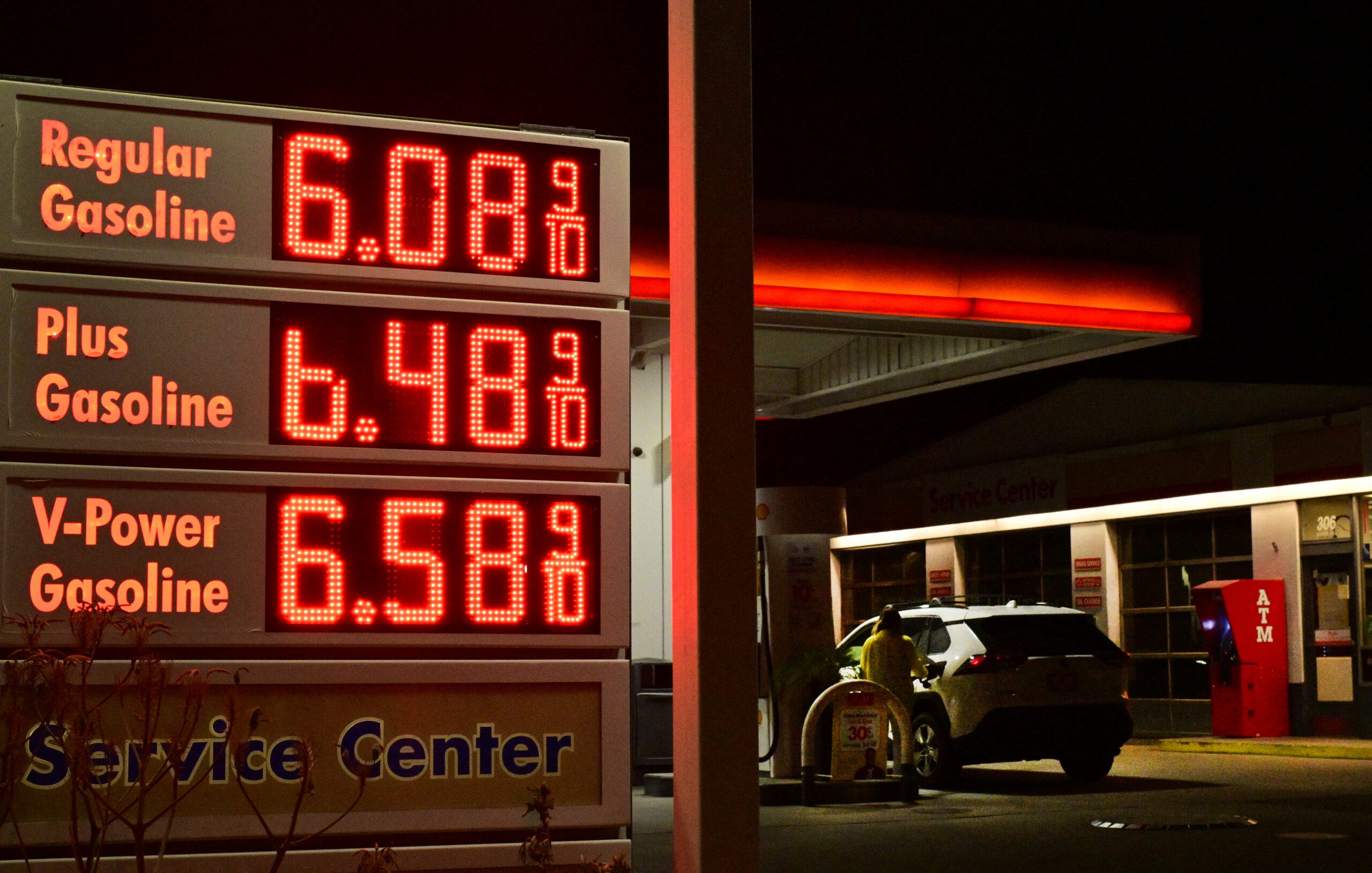
The energy shock brought about by the war in Iran and Tehran’s closure of the Strait of Hormuz has pushed oil and gasoline prices higher. Since the beginning of the conflict, the national average for gasoline prices has risen from around $3.00 before the war began in late February to $4.50 Tuesday morning. Brent crude has risen 44.2 percent to $107.
Consumer price inflation excluding volatile items like food and energy, often subject to non-monetary shocks like the Iran war, continued to hover at 2.8 percent YOY. This remains above the Federal Reserve’s target of 2 percent inflation YOY, a pattern which has persisted since March 2021.
Comments
No comments yet. Be the first.
Sign in to leave a comment.