The Polish Composers Pushing the Boundaries of Classical Music
This article centers musician voices and first-person accounts to explore creative evolution in Polish classical music, with balanced attention to both traditional and experimental approaches. Language is descriptive and celebratory without ideological charge; sourcing relies entirely on direct interviews with artists discussing their work and inspirations. The framing avoids prescriptive judgment, instead presenting boundary-pushing as a natural creative process emerging from geographic, historical, and generational context.
Primary voices: academic or expert, media outlet
- This article does not address economic sustainability or funding sources for these emerging composers
- This article does not discuss critical reception or audience response metrics beyond Rani's arena shows
- This article does not examine gender representation in the classical music establishment these artists are navigating
Framing may shift if any of these composers achieve broader mainstream success or face industry backlash, potentially recontextualizing their "boundary-pushing" as either establishment acceptance or c
Neutral languageSolutions-focusedBoth-sides framing
 Magda Drozd
Fryderyk Chopin, Henryk Mikołaj Górecki, Krzysztof Penderecki, Karol Szymanowski: These are the composers you’d normally think of when you hear the phrase “Polish classical music.” Their influence remains heavy to this day. However, more and more young Polish composers and performers are reaching outside the rigid classical world. Some are choosing clubs over concert halls; others try to stay in both.
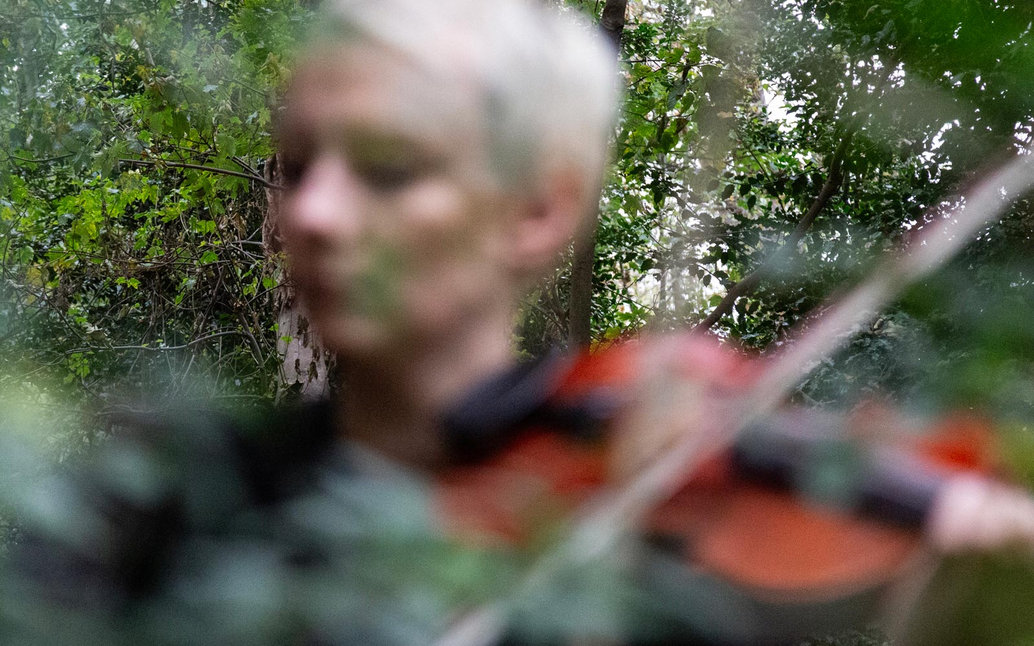
“I didn’t decide overnight I didn’t want to be a classical violinist, it was a process,” says Polish composer and producer Stefan Wesołowski. He’s just returned from London, where he performed his last album, Songs of the Night Mists, at Cafe OTO, the cult venue for experimental and jazz music. That process started when Wesołowski decided to write his own pieces. Wesołowski is based in Gdańsk, a port city forming a part of the Tricity metropolitan area on the Polish Baltic coast. Tricity—comprising Gdańsk, Gdynia, and Sopot—borders not only the sea, but also dense forests. “The presence of nature is embedded in our DNA. I couldn’t live anywhere else,” he says. This close relationship with nature—awe-inspiring, indifferent to human struggle, almost alien—is deeply inspiring for local musicians.
Tricity became a hotspot for a new kind of classical music: cinematic, contemplative, imaginative, intimate. “The sea is in constant motion, you can’t see what’s on the other side. It’s intriguing and a little frightening; it makes you ask the most fundamental questions,” says Dobrawa Czocher, a cellist who lived in Tricity for almost a decade and recorded her second album, State of Matter, in Sopot. Another recurring theme is memory, remembrance, and generational experiences. Before she devoted herself completely to her own music, she played in the Szczecin Philharmony orchestra. Poland’s tumultuous history in the 20th century left its mark on the society via forced displacements; brutal Nazi and Soviet occupations; and 40 years of communist rule. The painful memories are not always treated directly, but they are definitely there in the music, sometimes as an afterimage—a faint nostalgic and melancholic echo. “I think all those stories and traumas are passed on through generations. When I started matching them with my own experiences, it created a mix that I could only express in music” says Olga Anna Markowska, a native of Podlasie, a region in eastern Poland, one of the last remnants of the country’s pre-war multiculturality who in addition to composing her own music frequently performs in Wesłowski’s band.
With Poland having been a member of the European Union for more than two decades now, younger artists naturally look for international labels to release their music. The biggest star of this new generation is undoubtedly Hania Rani, another Tricity native. When she sent in 2018 two demos to Manchester-based Gondwana Records, she didn’t expect to hear anything back. The label’s answer was swift and enthusiastic: They wanted to release both albums, but the first had to be Esja, a solo piano record. “I didn’t expect that this exercise before a real debut album would become so important for so many people,” she said in 2023, shortly after the release of her third album Ghosts, which added vintage electronica and pop sensibility to her music and earned her shows in arenas and clubs all over the continent. Almost at the same time, she released two albums with Czocher on a prestigious classical music label, Deutsche Grammophon. When they recorded them Czocher says she felt “immense power and joy, an outburst of energy” that inspired her to embark on a solo career.
What is characteristic for this emerging scene is its versatility. Artists compose for their own albums; film and video game soundtracks; gallery installations; and the theatre. Like almost every other musician in the country, their careers are constant hustles. “I treat working on soundtracks as a way to improve my composing skills,” admits Wesołowski. For Markowska, working on commissioned pieces is “inspiring. I can join my own sensibility with someone else’s.” She’s also a visual artist: “All my art is connected around recurring themes, but music occupies the most important place”.
Below, a look at the finest contemporary Polish composers and performers present on Bandcamp.
Hania Rani Sentimental Value
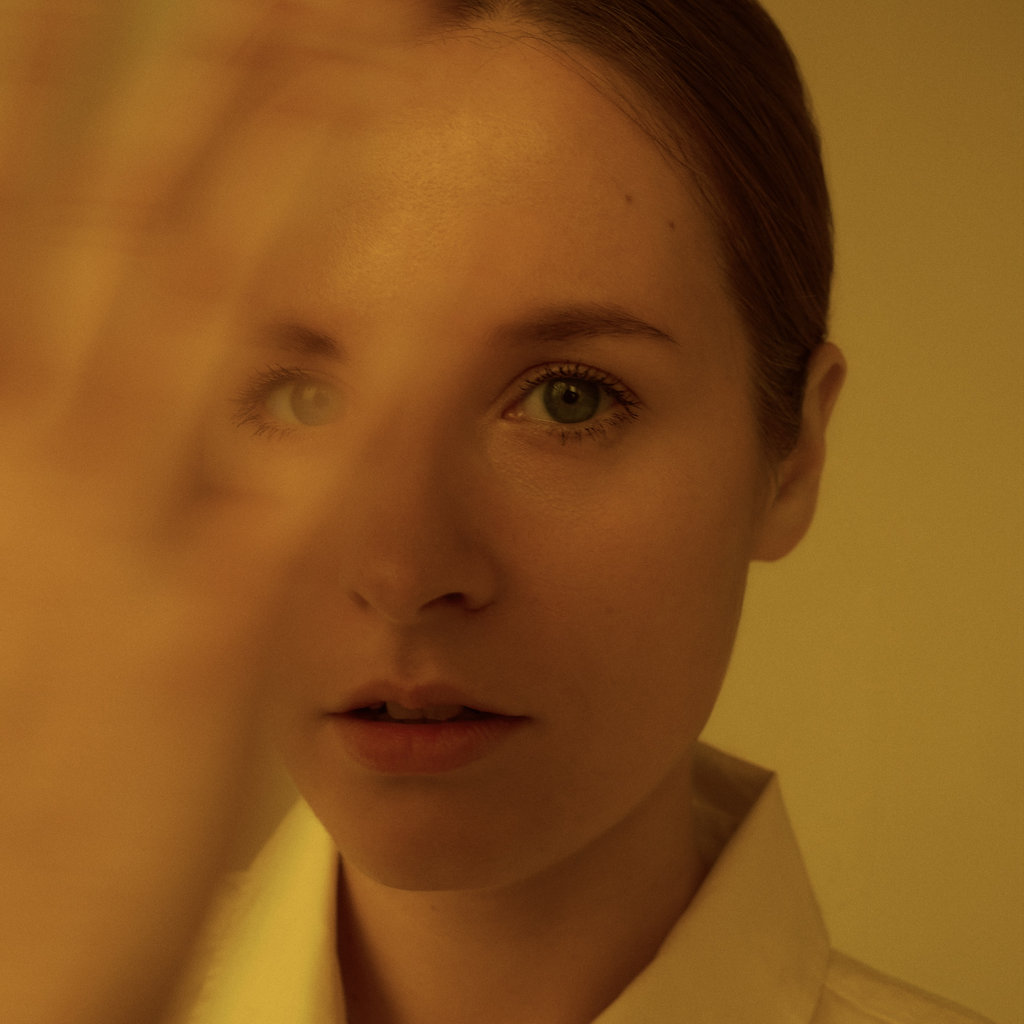
The award-winning soundtrack for a Joachin von Trier film, Hania Rani’s Sentimental Value is a piece of art on its own. To properly compose the music, Rani spent a couple of days on the film’s main location, capturing field recordings and taking photos to better understand its role and importance for the plot and the director (it’s not the first time she’s done such a thing). Sentimental Value is the composer’s most mature and classical work yet, where orchestral and chamber pieces stand side by side with Rani’s signature nostalgic, minimalist solo piano compositions.
Stefan Wesołowski Song of the Night Mists
Wesołowski’s latest album is inspired not by the sea, but the Tatra Mountains, located on the other side of Poland. “My friend, Daniel Wahl, worked at Tatra National Park and asked me to write a piece for an exhibition. I went there, started writing and immediately knew it would become my new album,” he says. To further tie Song of the Night Mists to the highest Polish mountain range, Wesołowski samples field recordings and pieces by Karol Szymanowski, the composer who famously used local folklore in his music.
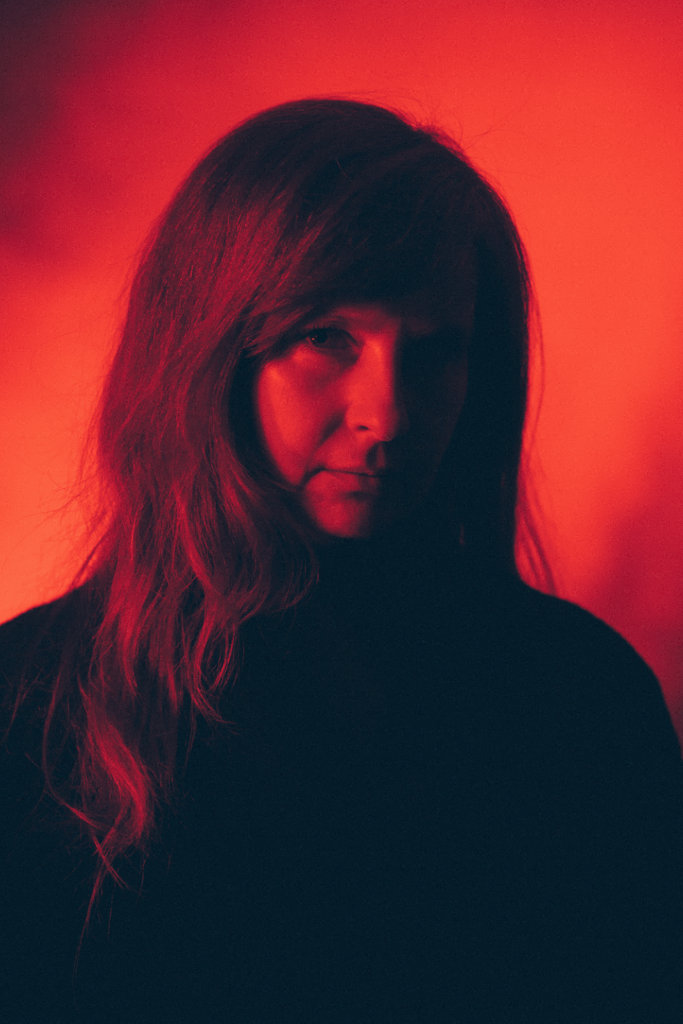
Magda Drozd Divided by Dusk
Inspired by Japanese and Polish folklore as well as experimental music, the second album by the Switzerland-based, Warsaw-born violinist is like a walk through a primeval forest: dark, surprising, unsettling.
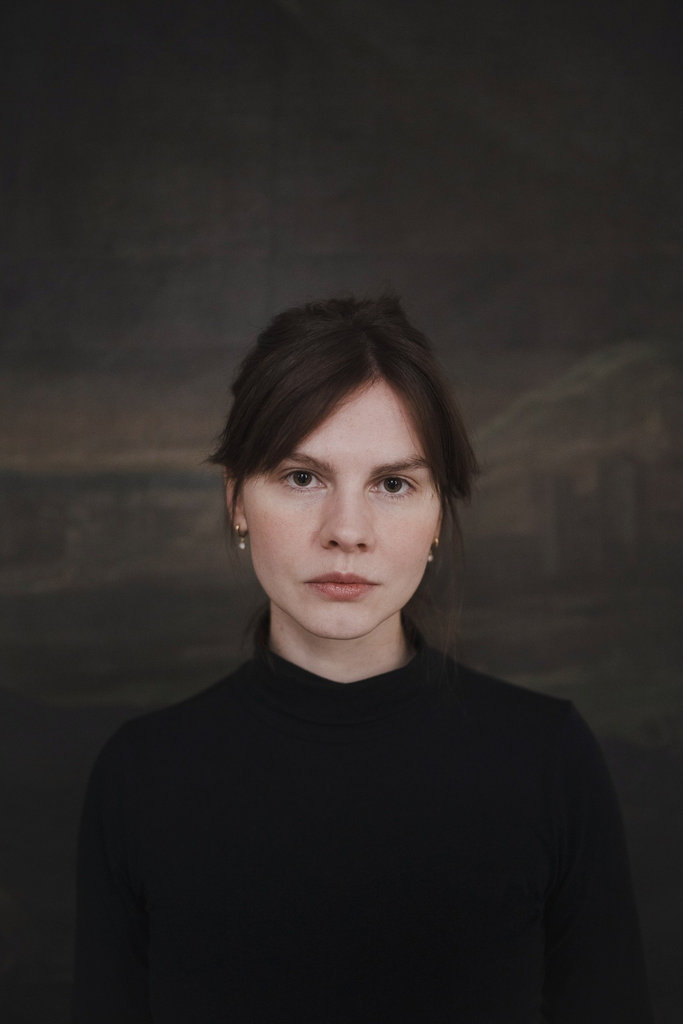
Resina Speechless
Speechless, the latest solo album from cellist Karolina Rec touches themes present in her music from the very beginning—the impossibility of understanding nature, generational memories, social history, and relations of power. She treats her cello with different effects, samples, and loops musical phrases, dissolving the difference between acoustic and synthesized sounds. It’s a bold, heavy album akin to works of Hildur Gudnadottir and Jóhan Johansson, stemming from the pandemic and anti-government protests in late 2020.
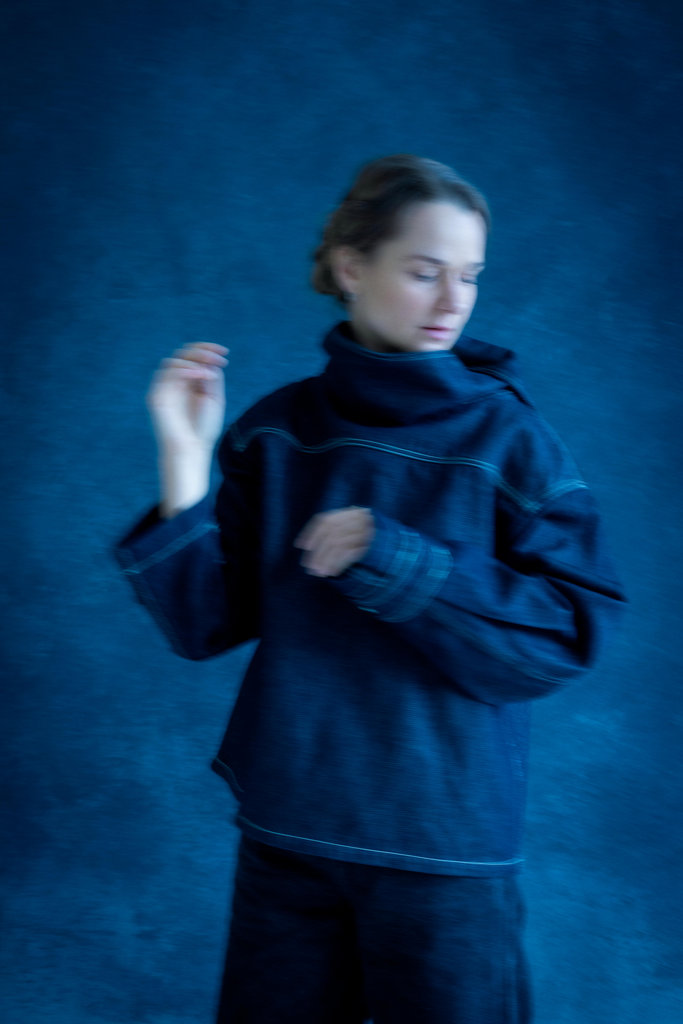
Olga Anna Markowska ISKRA
“My relationship with nature about which I write my music was shaped by the Białowieża Forest. I spent so much time there visiting my grandparents,” says Markowska. These memories and family stories shaped debut album ISKRA (Polish for “Spark”). It features ambient structures, cello, sparse piano, and zither parts expressing a sepia-tinged musical melancholy. ISKRA was created over a five-year period, and is at the same time a closure and a beginning of a new chapter for Markowska’s music.
Dobrawa Czocher State of Matter
“I would wake up with a view of the sea. I’d observe it every day. The sea would change with the seasons, weather, and sunlight. Every time it had a different color and look,” Dobrawa recalls of her time in Sopot. This view pushed her to reflect on human life, our curiosity, and a need to test frontiers. “Just like seawater, our lives fluctuate, they are one big change.” This album also marks a significant change in her music; while she recorded her debut on cello only, State of Matter features synths and vocals.
Olga Wojciechowska Infinite Distances

Infinite Distances was born as an homage to Olga Wojciechowska’s late grandmother. The album is at the crossroads of modern classical, trip hop, experimental electronics, and ambient. Listening to it is like looking at an old Polaroid photo, bringing back memories of ones that are never truly lost. It’s a bittersweet experience, juxtaposing happiness and grief, just like life itself.
Comments
No comments yet. Be the first.
Sign in to leave a comment.