Trump says ceasefire with Iran on ‘life support’
The article centers Trump's inflammatory rhetoric ('piece of garbage,' 'weakest,' vivid medical metaphor) without editorial pushback or context on Iran's stated rationales. While both sides' positions are listed, Trump's language dominates the framing and sets the emotional tone. The article omits analysis of whether Iran's demands align with international law or precedent, and doesn't contextualize the ceasefire's fragility or historical precedents for such negotiations.
Primary voices: elected official, state or recognized government
- This article does not address the historical context of U.S.-Iran sanctions or their economic impact
- This article does not include perspectives from regional allies or international mediators on the ceasefire terms
- This article does not examine whether Iran's demands regarding the Strait of Hormuz or frozen assets reflect previously agreed frameworks
As active ceasefire negotiations develop, framing may shift depending on subsequent counteroffers, military escalations, or diplomatic breakthroughs.
Government-sourcedHawkish framingCharged language
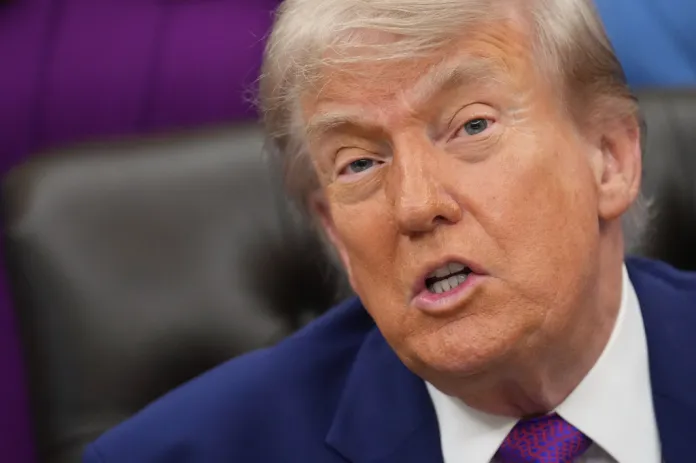
President Donald Trump described his ceasefire with Iran as being on “life support” on Monday after rejecting a proposal from Tehran over the weekend.
Although Trump was adamant that the ceasefire remains in place, he called it “unbelievably weak.”
“I would call it the weakest right now, after reading a piece of garbage — I didn’t even finish reading it,” Trump said Monday at the White House of Iran’s weekend counteroffer. “I would say the ceasefire is on massive life support, where the doctor walks in and says, ‘Sir, your loved one has approximately a 1% chance of living.”
Trump dismissed Iran’s counterproposal on Sunday as “totally unacceptable.”
Iranian Foreign Ministry spokesman Esmail Baghaei told reporters on the weekend that Tehran’s counteroffer included a demand that the United States stop “maritime piracy against Iranian ships” and release “assets belonging to the Iranian people which have been unjustly frozen for years in foreign banks due to American pressure.”
Iran also wanted “safe passage through the Strait of Hormuz” and “security and peace throughout the region, including Lebanon,” according to Baghaei.
In turn, Trump has sought, among other things, that Iran end its nuclear weapons program and that its stockpile of highly enriched uranium be removed from the country.
Trump’s rejection of Tehran’s counterproposal has created more uncertainty about the war, particularly for oil markets.
Oil prices increased on Monday, with a barrel costing $103 using the Brent Crude international benchmark.
Comments
No comments yet. Be the first.
Sign in to leave a comment.