Trump criticizes judge’s apology to correspondent’s dinner shooting suspect: ‘Never apologized to J6’
The article centers Trump's grievance narrative and quotes him extensively (direct speech dominates), while the judge's apology and its context receive minimal explanation. Language choices like 'criticized,' 'condemned,' and framing Allen's confinement as potentially unjustified lean toward Trump's perspective. The comparison between J6 defendants and Allen is presented through Trump's voice without editorial scrutiny of the legal or policy differences, amplifying his talking point that Jan. 6 prosecutions were disproportionately harsh.
Primary voices: elected official, media outlet
- This article does not address the legal or factual basis for the judge's apology or the specific conditions imposed on Allen versus J6 defendants.
- This article does not explain Judge Faruqui's reasoning for the suicide-watch protocols or defense arguments beyond mental health screenings.
- This article does not provide context on why Jan. 6 detainees were placed in restrictive housing or include statements from prosecutors or law enforcement justifying those conditions.
Framing may shift as Allen's case proceeds and if additional judicial decisions or statements emerge regarding detention standards.
Establishment framingCharged languageOpinion/analysis
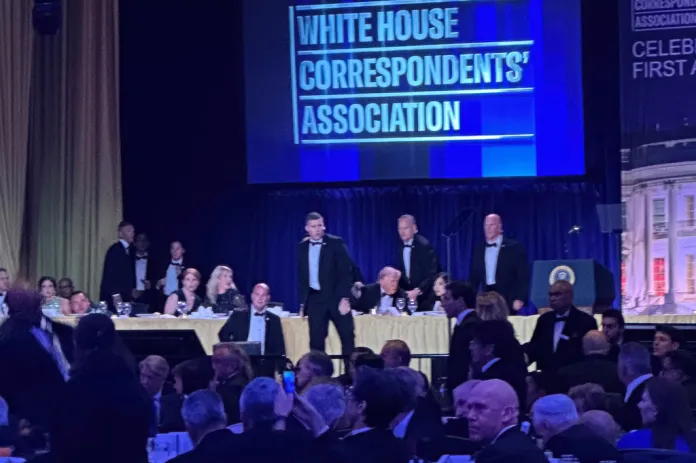
Trump is referring to a situation that took place during one of Allen’s court appearances for his alleged assassination attempt on the president, where Magistrate Judge Zia M. Faruqui apologized for Allen’s strict confinement, claiming that Jan. 6 defendants were jailed under looser measures.
The president discussed the situation on “Sid & Friends in the Morning” with Sid Rosenberg, noting that the same grace was not extended to those charged for the Capitol riots.
“It’s all over the place where the judge is apologizing to him for, I guess maybe something was a little bit wrong, but they never apologized to J6,” Trump said. “The J6 folks that I, as you know, pardoned very proudly, and nobody apologized to them.”
Faruqui oversaw Jan. 6 cases as a benchmark and condemned Allen’s placement on suicide-watch protocols at the jail, despite defense attorneys saying repeated mental health screenings found no indication he posed a risk to himself.
Those detained after the events on Jan. 6 were placed in restrictive housing inside the district jail, including for extended periods of isolation, prompting criticism from lawmakers on both sides of the aisle.
Trump later added that reports of Faruqui apologizing made him “very sad.” He went on to praise the Secret Service agents who protected him and emphasized the need for his planned ballroom, which will have better security measures.
“The world is different than it used to be,” he said. “Things like this happened in the past, too, you know. This isn’t the first time you’ve heard the ‘a’ word,” he said, referring to the assassination attempt.
The president then offered a light-hearted tone, calling the presidency a “dangerous profession.”
“You should have told me that at the beginning,” Trump said. “I could have taken a pass, OK. But it’s a dangerous profession, that’s for sure.”
On May 11, Allen pled not guilty to charges of attempting to assassinate the president, assaulting a federal officer with a deadly weapon, transporting a firearm and ammunition across state lines with intent to commit a felony, and discharging a firearm during a crime of violence.
Comments
No comments yet. Be the first.
Sign in to leave a comment.