First Analysis of Free Prison Phone Calls Shows They Reduce Violence
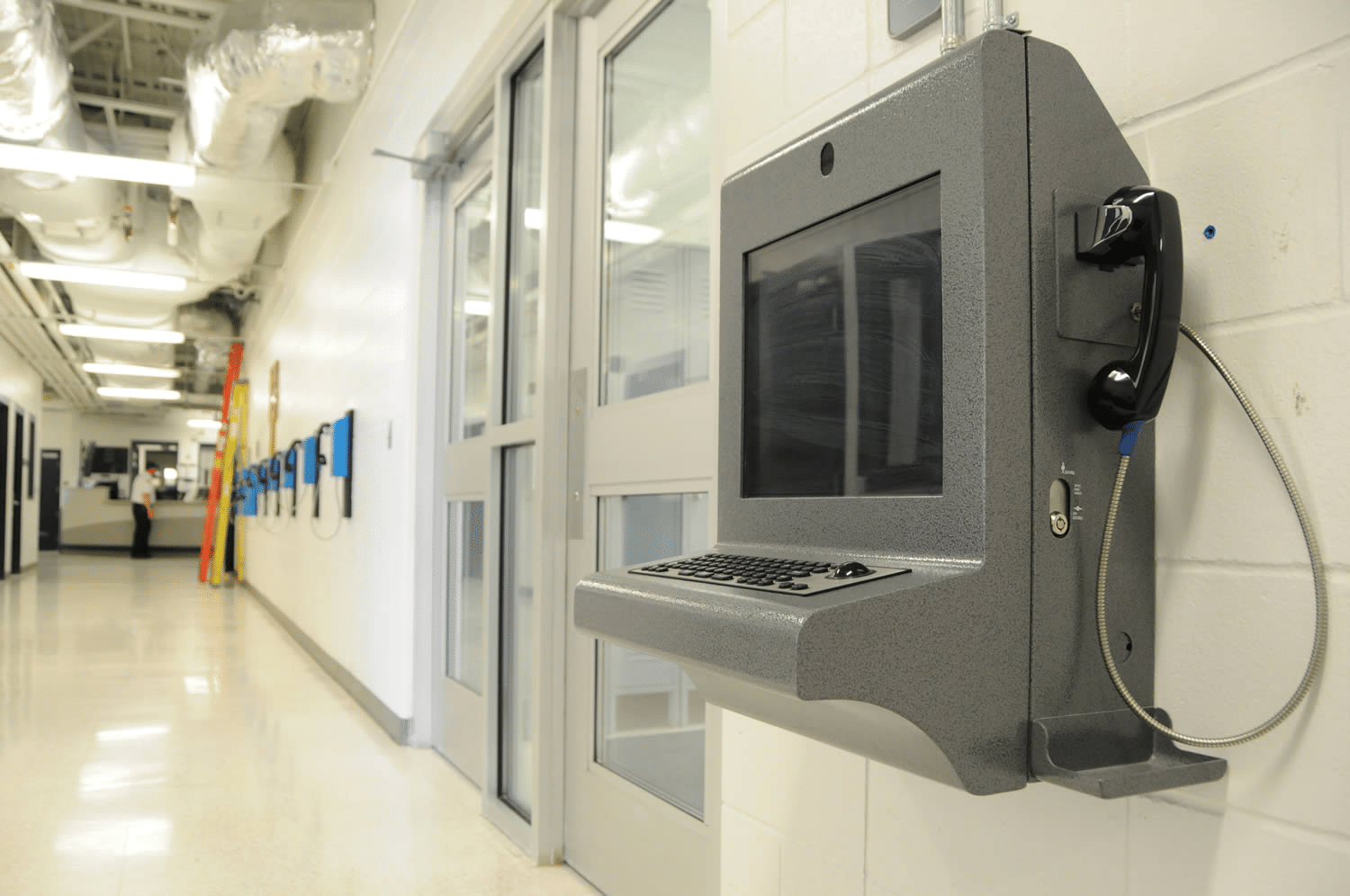
The article centers Worth Rises, an explicitly activist nonprofit whose mission is to 'dismantle the prison industry,' as the primary authority and frames the study's findings unambiguously as positive. Language choices emphasize benefits ('stronger connections,' 'safer,' 'win-win,' 'calming effect') without meaningful counterargument or acknowledgment of implementation challenges.
Primary voices: NGO or civil society, state or recognized government, academic or expert
- This article does not address costs to states or taxpayers of implementing free phone systems
- This article does not include perspectives from corrections administrators or policymakers who oppose the policy on fiscal or operational grounds
- This article does not examine potential security risks or documented cases where prison communications have been exploited for contraband coordination
- This article does not clarify methodology limitations or potential confounders (e.g., whether violence reduction correlates with other simultaneous policy changes)
The article's closing sentence is incomplete and truncated mid-sentence regarding FCC regulations in 2025, preventing assessment of how this may reframe or undermine the policy gains described.
Activist-sourcedPro-labor framingReform-oriented
The first comprehensive report on the impact of offering free phone calls in United States prisons and jails shows that not only do such policies strengthen family connections, they’re directly associated with making prisons safer for both the incarcerated population and for staff. Critical Connections: The Power of Free Communication in Prisons and Jails was published in May by Worth Rises, a nonprofit that works to dismantle the prison industry—that is, the vast network of corporations that profit off of mass incarceration.
Two companies, Aventiv Technologies and ViaPath, hold about 80 percent of the correctional telecommunications market. If you use these services and know your provider by the name Securus and/or JPay, then that’s Aventiv. If you know your provider by the name Global Tel Link, GTL, GettingOut, ConnectNetwork or Telmate, then that’s ViaPath.
The report includes data from the six prison systems that have implemented free phone calls—California, Connecticut, Massachusetts, Minnesota, New York and the federal Bureau of Prisons—and 17 local jails that have done the same. These represent about 330,000 out of the approximately 2 million people currently incarcerated in the US.
Among incarcerated people and their families interviewed about the effects of free phone call policies, common themes included stronger parent-child connections, increased financial stability and more successful reentry-planning.
While corrections departments that balk at the prospect of transitioning to free phone calls aren’t likely to put much stock in these outcomes, they might note that all of the corrections staff interviewed for the report recommended that other prison systems adopt free phone call policies.
“Since implementing the free phone call policy last August, we have seen a significant increase in call activity,” New York State Department of Corrections and Community Supervision Commissioner (NYSDOCCS) Daniel F. Martuscello III stated in the report. “These strengthened connections provide critical support and contribute to reduced conflict inside facilities.”
To date, New York is the only state to have made prison phone calls free through administrative action; the other four were compelled by legislation. In 2020, the federal system made phone calls free to everyone in custody as a COVID-19 pandemic measure, but capped them at 500 minutes per person per month. In January 2025 this was reduced to 300 minutes and restricted to people participating in First Step Act programs, rather than to everyone in federal custody.
Prison staff cited the policies as making their jobs easier.
Where possible, Worth Rises collected data from the two years before and two years after implementation. On average, the number of phone minutes per person per day roughly doubled in both prisons and jails, though in many facilities this also owed to the arrival of tablets during the same time period. Notably, the data show that the increases in call volume have stabilized, meaning that people have continued to make more phone calls rather than just exhibiting a brief surge of interest when the new policy kicked in.
Five of the report’s in-depth interviews were conducted with state prison staff, all of whom cited the policies as making their jobs easier, and making their facilities less tense in general.
“The free phone calls have reduced the stressors greatly,” Justin Oles, a deputy warden with the Connecticut Department of Correction, stated in the report. “It’s brought a calming effect to the [incarcerated] population.”
A NYS DOCCS sergeant called it a “win-win” for both the incarcerated population and from a security and public safety perspective. A NYS DOCCS counselor stated that they were initially against the policy because it’s taxpayer-funded, but have since changed their views because of the positive impact on both prisoners and staff.
In 2025, the Federal Communications Commission systematically dismantled the landmark 2024 regulations that capped the prices of phone calls and video visits. Because the limited number of prison jobs generally pay a few cents an hour, if they pay at all, most of the cost burden of phone calls falls on friends and family. Worth Rises found that 70 percent of the savings from prison and 82 percent from jails benefited non-white families.
“I understand that there has been some frustration [among] taxpayers, who [don’t want to bear] the burden of phone calls,” stated Oles, the deputy warden in Connecticut. “But as somebody who works inside the walls, I can say that it is working.”
Comments
No comments yet. Be the first.
Sign in to leave a comment.