What Does SOUTHCOM’s New Autonomous Warfare Command Herald?
The article centers the voice of a senior U.S. military commander without apparent counterbalance from regional perspectives, civil liberties experts, or skeptical analysts. Language frames autonomous warfare as a strategic asset for 'disrupting cartel networks' and 'strengthening cooperation'—legitimizing language that presents military expansion as benign. The framing assumes the premise that autonomous systems represent forward progress in Western Hemisphere security without interrogating operational risks, oversight mechanisms, or regional concerns about U.S. military presence.
Primary voices: elected official, state or recognized government
- This article does not address concerns from Latin American nations regarding U.S. military autonomy in the region or historical precedents of unilateral U.S. interventions.
- This article does not include perspectives from civil liberties organizations, international law experts, or ethicists on autonomous weapons governance.
- This article does not discuss the specific oversight mechanisms, rules of engagement, or congressional authorization for autonomous operations in the Western Hemisphere.
Framing may shift as autonomous weapons deployments generate regional pushback, legal challenges, or operational incidents that complicate the strategic narrative presented here.
Government-sourcedHawkish framingEstablishment framing
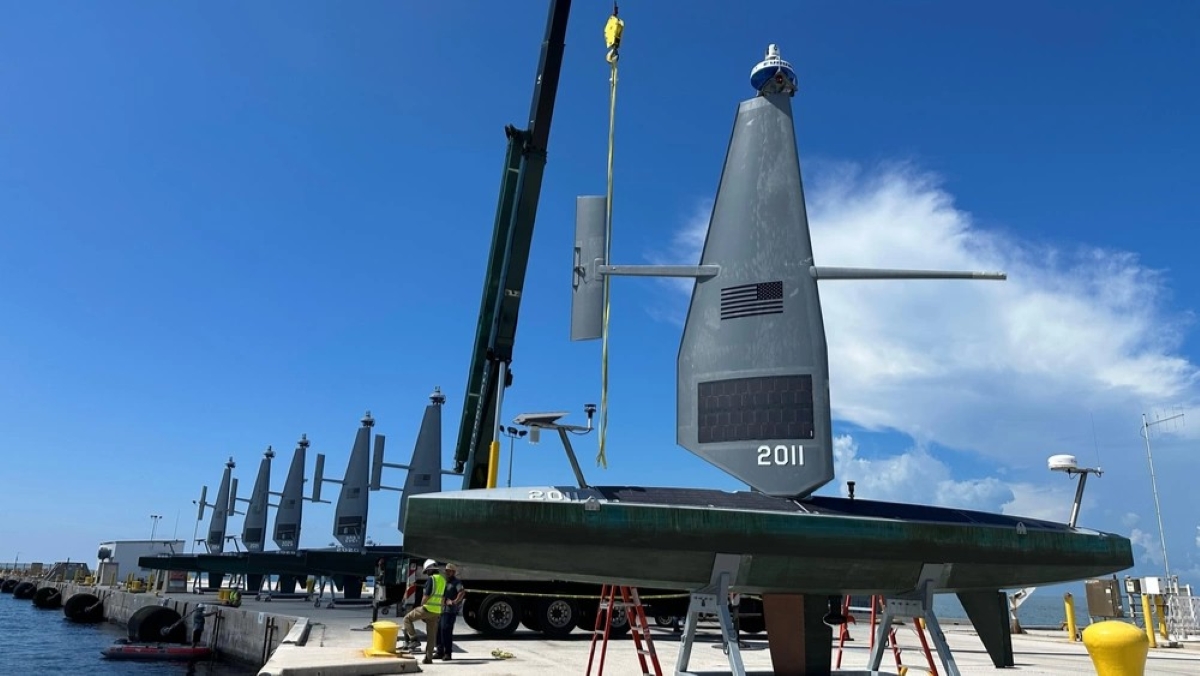
Gen. Frank Donovan, commander of U.S. Southern Command, sat down with Ryan to discuss the vision behind the command’s new Autonomous Warfare Command and what it signals for the future of military operations in the Western Hemisphere. Donovan explains how SOUTHCOM aims to move drones and autonomous systems beyond tactical experimentation and connect them to strategic effect: disrupting cartel networks designated as terrorist organizations, strengthening cooperation with allies and partners, and g
Full article not available — click below to read at the source.
Comments
No comments yet. Be the first.
Sign in to leave a comment.