The Real Lord of the Flies Story Netflix Isn't Telling
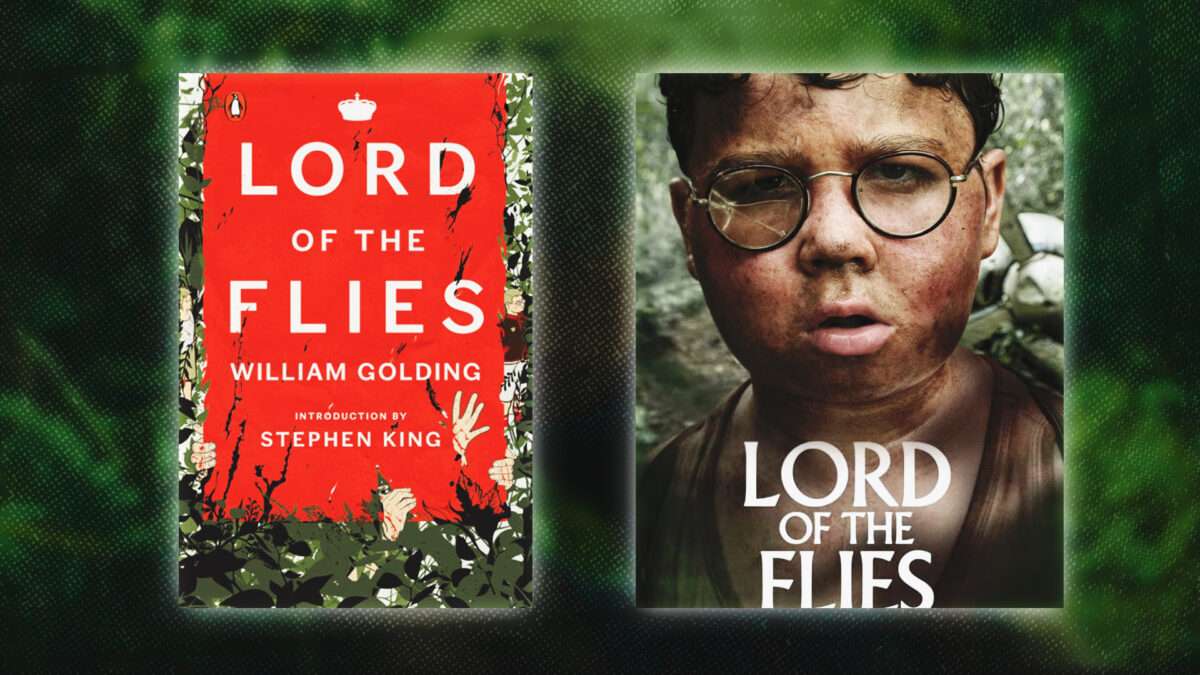
The article challenges a widely-accepted cultural narrative (Golding's pessimistic view of human nature) with skeptical framing ('is that actually true?'). This represents a libertarian-leaning sensibility common to Reason—questioning institutional/literary orthodoxy rather than defending power structures. The framing avoids charged language while positioning itself against mainstream interpretations, reflecting editorial skepticism toward received wisdom rather than partisan politics.
Primary voices: media outlet
Opinion/analysisDissenting framingNeutral language
The famous novel portrays kids as savages when left to their own devices. But is that actually true?
Full article not available — click below to read at the source.
Comments
No comments yet. Be the first.
Sign in to leave a comment.