US cancels planned deployment of 4,000 troops to Poland
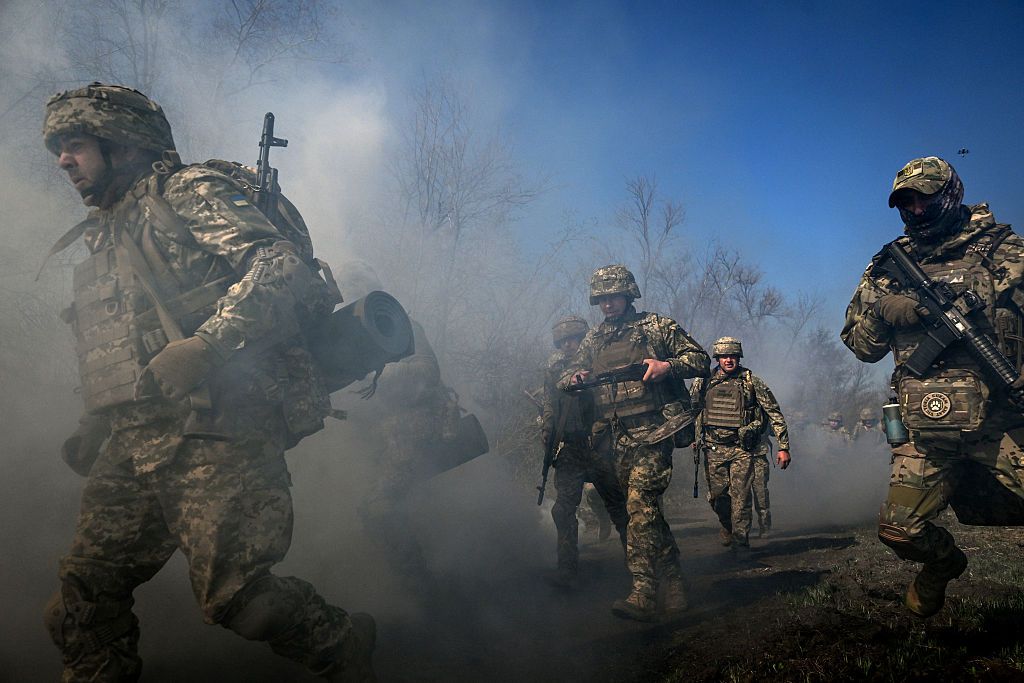
The Pentagon has abruptly cancelled a planned deployment of 4,000 U.S. troops to Poland, as concerns over the reliability of U.S. military commitments to European allies continue to increase.
The surprise announcement, first reported by the media outlet Army Times on May 13, comes just weeks after the U.S. Department of Defense announced on May 1 that the United States will withdraw about 5,000 troops from Germany, a key NATO ally, amid rising tensions between Washington and Berlin over the war in Iran.
Politico reported that the decision on Poland caught both U.S. and European officials off guard, with no explanation issued by U.S. Defense Secretary Pete Hegseth.
The 4,000 Texas-based troops were expected to be stationed in Poland for a nine-month rotation, with troops and equipment already beginning to arrive in the country. The troops were expected to conduct training with NATO allies.
In a statement provided to Politico, the Pentagon dismissed the notion that the cancelled deployment was unexpected.
"The decision to withdraw troops follows a comprehensive, multilayered process that incorporates perspectives from key leaders in (the U.S. military in Europe) and across the chain of command," read a statement provided to Politico. "This was not an unexpected, last minute decision."
The statement from the Pentagon comes amid mixed signals from the Trump administration on troop deployments to Poland. After vowing to withdraw troops from Germany, U.S. President Donald Trump floated the idea of relocating the 5,000 troops to Poland.
"Poland would like that. We have a great relationship with Poland. I have a great relationship with the President," Trump said on May 8.
Trump has faced criticism from European leaders as he continues reshaping U.S. foreign policy, while critics have raised concerns about Washington’s commitment to NATO’s collective defense principles.
The Pentagon said the withdrawal from Germany is expected to take place over the next six to 12 months. The reduction would bring U.S. troop levels in Europe back to pre-2022 levels, when President Joe Biden increased deployments in response to Russia's invasion of Ukraine.
Comments
No comments yet. Be the first.
Sign in to leave a comment.