Each week we highlight the noteworthy titles that have recently hit streaming platforms in the United States. Check out this week’s selections below and past round-ups here.
A Balcony in Limoges (Jérôme Reybaud)
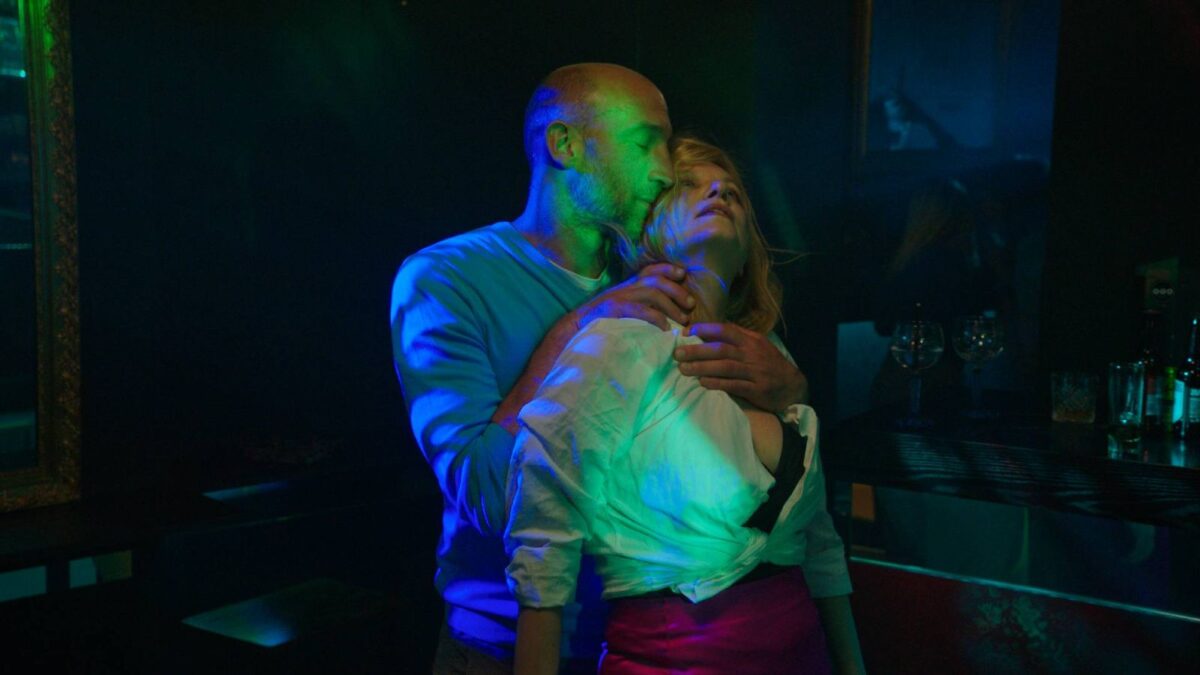
Reybaud observes a chance meeting between two former classmates who are now middle-aged women. Eugénie, a single mother who’s proud of being a “good citizen,” crosses paths with Gladys, who chooses to be homeless and rejects everything about society. Reybaud distills these two women into representations of two dominant types of people living today. Eugénie represents those still clinging on to a neoliberal status quo that’s on life support, while Gladys symbolizes the angry rejection of that status quo that’s led to the rise of far-right populism. A Balcony in Limoges watches the two women clash, with Eugénie thinking she can “rescue” Gladys, whose selfish and destructive behavior doubles as a middle finger to everything Eugénie believes in. It’s a conflict that Reybaud uses to point out that both women have the same problem of living under a failing world order, except they’re too stuck in their ways to see what unites them. How that conflict resolves is shocking and funny, a bit of pitch-black comedy that summarizes the inevitable outcome of our inability to imagine a better world for ourselves. – C.J. Prince (top 10 films of 2025 feature)
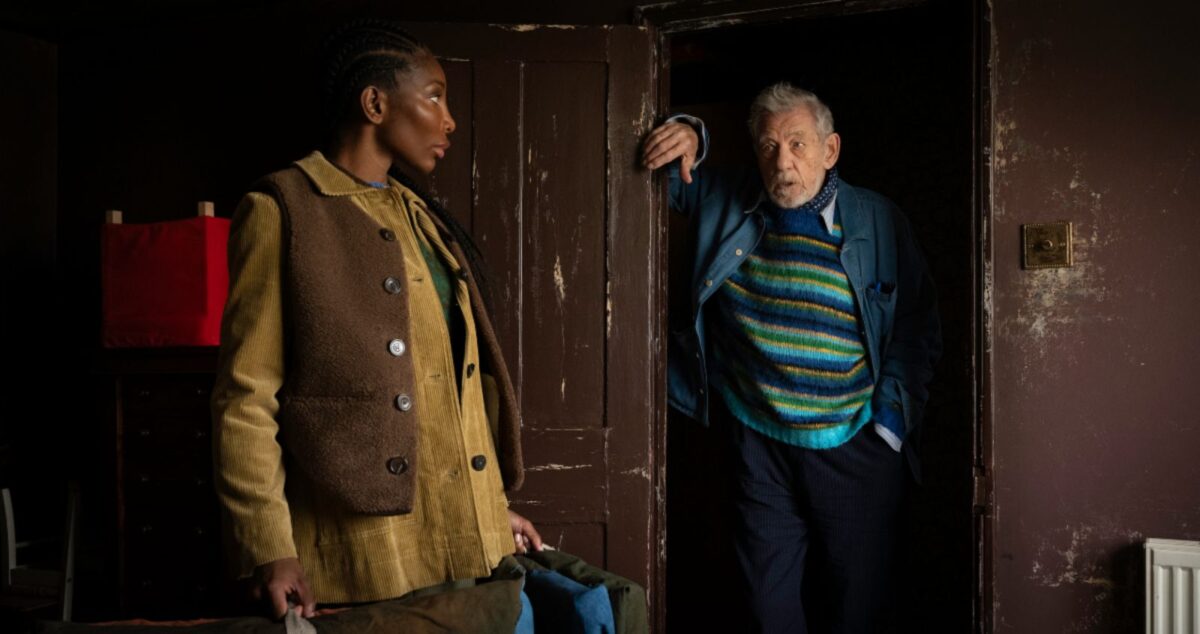
Steven Soderbergh continues to stretch his creative muscles with the light but entertaining dramedy The Christophers, which concerns an aging artist (Ian McKellen) and his new “assistant” (Michaela Coel) as they delve into extensive conversations about artistic value, a life of creativity and the sacrifices that entails, and much more. While not reaching the recent highs of the hugely entertaining Black Bag, Ed Solomon’s script and central performances at the center are the main stars, resulting in a film that could be just as effective as a stage play. – Jordan R.
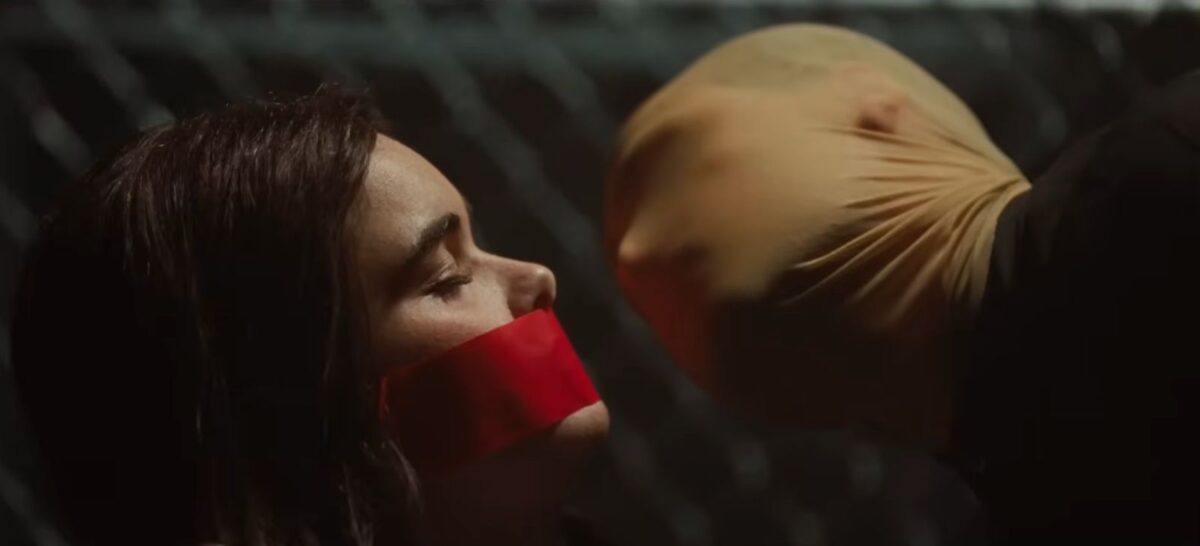
Director Daniel Goldhaber and co-writer Isa Mazzei are intimately familiar with the darker side of the Internet. Their 2018 debut, Cam, remains among the quintessential horror films of the Internet age, and with their reboot / remake / reimagining of Faces of Death, they bring the past into startling view of the present. It’s a film that recognizes there’s a little bit of a sicko in all of us, and there may be nothing we can do about it. – Devan S. (full review)
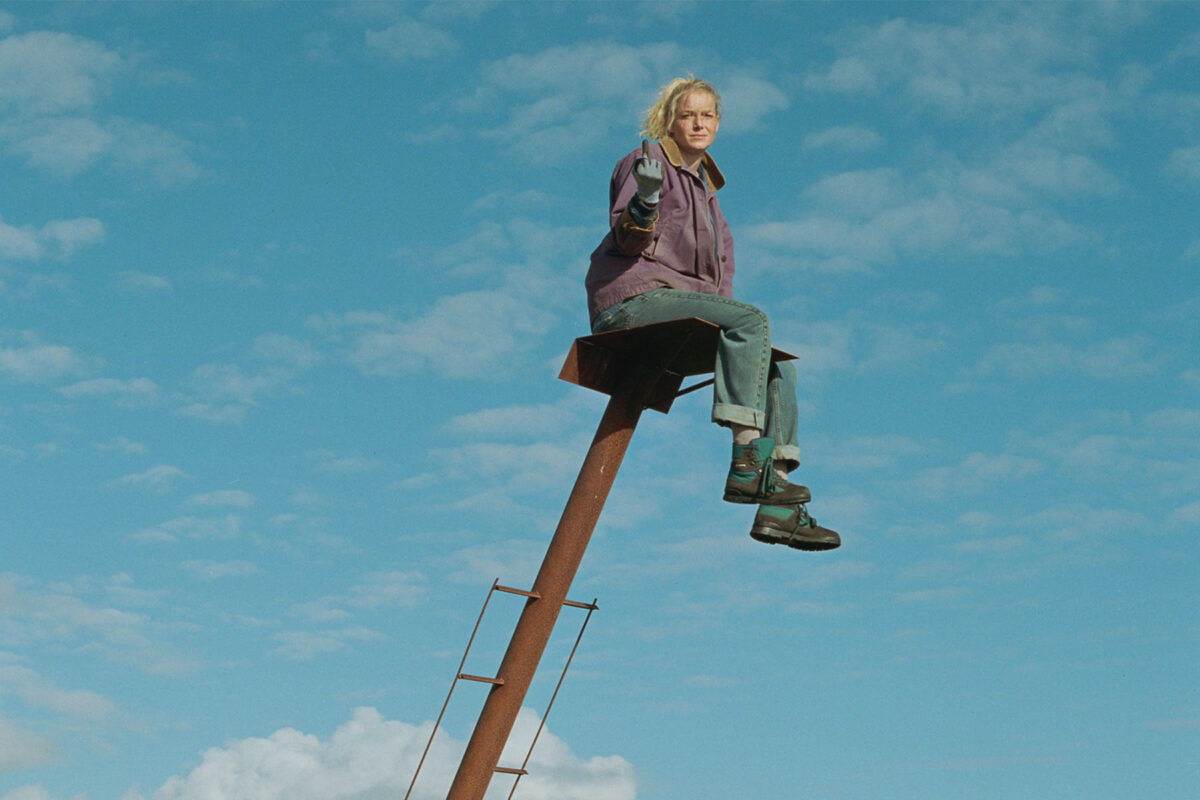
Imagine an Icelandic Sally Mann early in her career, desperate for attention from the high-art community. She lives off the land in a remote countryside and relies heavily on her five-person family to make her art. But instead of capturing her life with a camera, Anna writes with the extended duration of the sun; instead of silver-screen prints, she cuts and produces metal art that gestates spontaneously outdoors across entire seasons. Now, with all of that in the background, imagine a heartwrenching separation unfolding over a year’s time, one with three children at the center, clashing ideologies in tow, and well over a decade of resentment and remorse wrought by the laziness of a fisherman husband who hasn’t held up his end of the bargain in existential ambition or self-care. Hlynur Pálmason’s magnum opus (to date) is about exactly what it sounds like: the love that remains between ex-partners––in its shredded, preserved, bitter, adoring, simple, altogether impossible complexity––and the possible futures that can emerge. — Luke H.
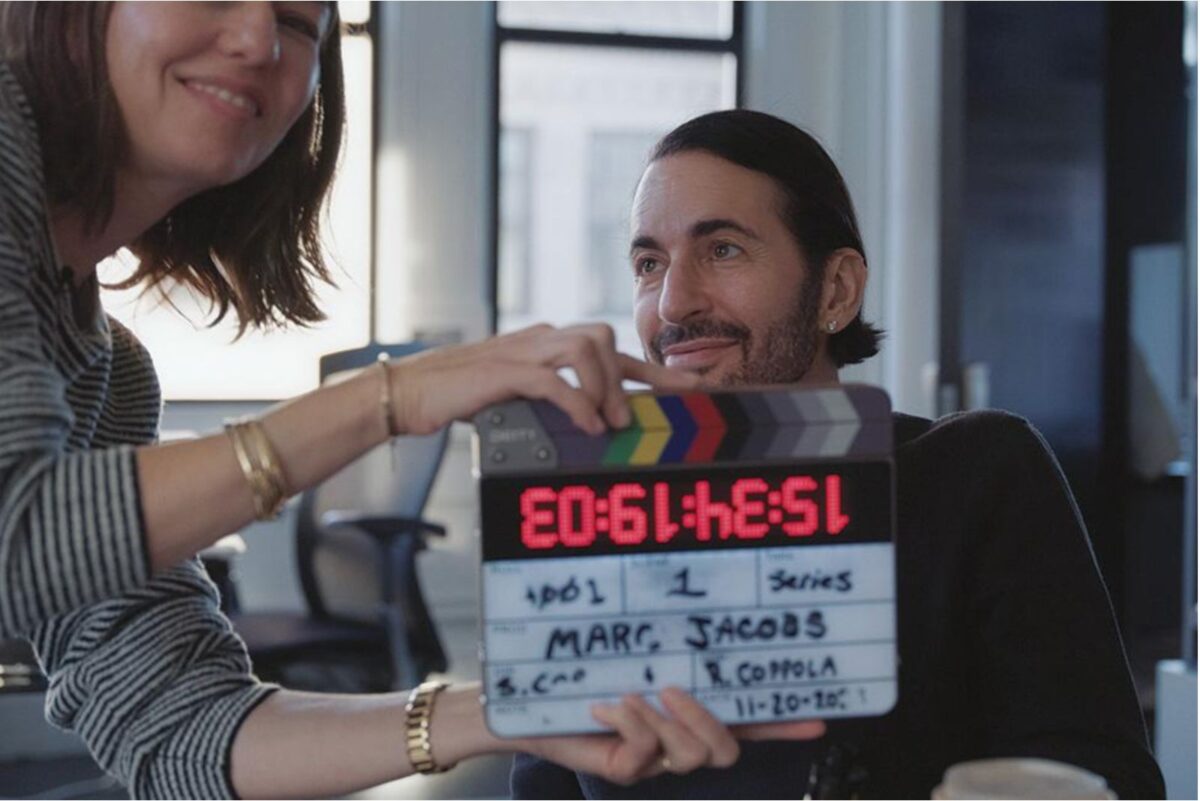
Sofia Coppola, Marc Jacobs, and 30 years of friendship between them––this triad was promising enough for A24 to jump on the project and for the Venice Film Festival to host its world premiere (out of competition). Where else if not Italy does a big director show their fashion documentary for the first time? Luca Guadagnino did (Salvatore, Shoemaker of Dreams) well knowing it would go straight to streaming after. Yet the subgenre of fashion documentary portraits has an honesty to it, wearing its formulaic structure, talking heads, and fast-paced supercut editing to match a predictable, zippy rhythm. Fame, beauty, a ruthless industry where one can either be great or good––all those are tropes that sell, but when Sofia Coppola is making such a film about designer Marc Jacobs and his A/W 2024/25 collection, it’s supposedly much more than a well-calculated commission. – Savina P. (full review)
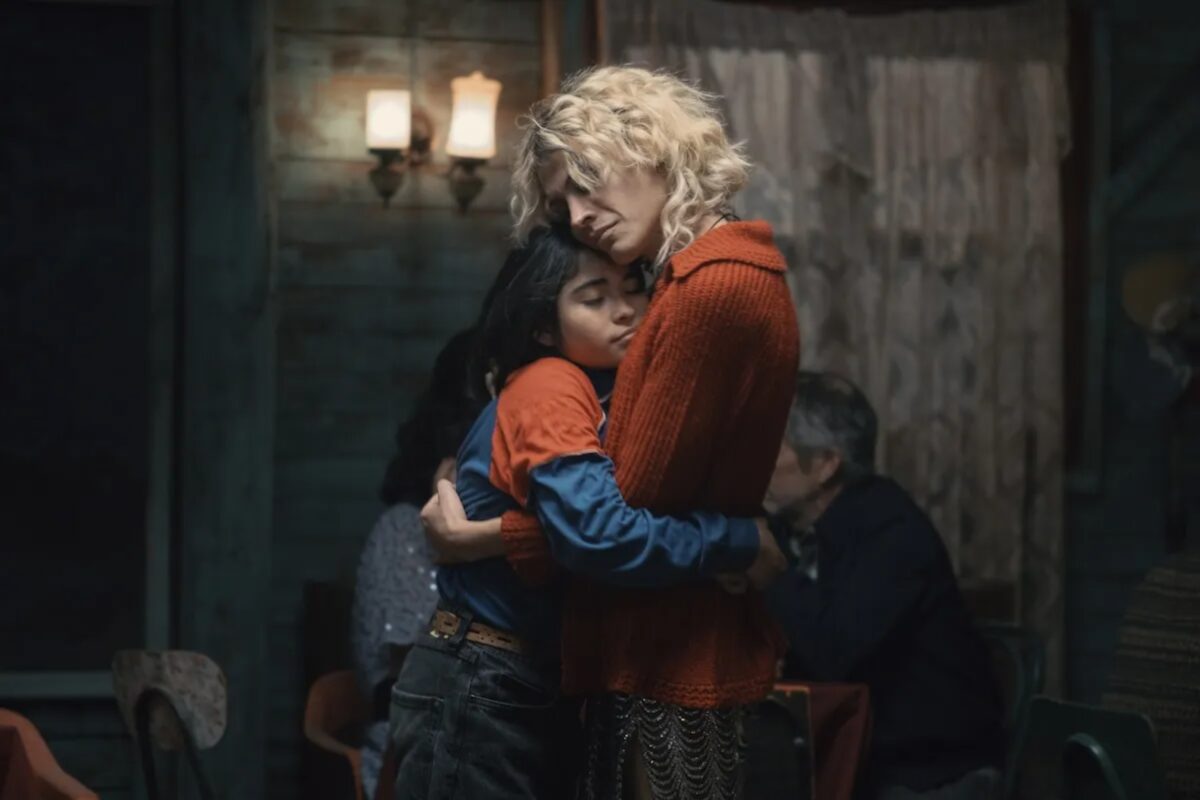
As reminders that ignorance, bigotry, and hate can literally kill, stories about the AIDS epidemic will always be relevant. The latest, beautiful example arrived courtesy of Chilean writer-director Diego Céspedes, whose feature debut The Mysterious Gaze of the Flamingo premiered in Cannes’ Un Certain Regard sidebar. Although the film may lack a narrative beat or two to fully take flight, it’s nonetheless a finely crafted, deeply affecting tribute to love and community––a piece of proudly, vitally queer art. – Zhuo-Ning Su (full review)

“From the totalitarian point of view, history is something to be created rather than learned,” George Orwell wrote in his 1946 essay “The Prevention of Literature.” Orwell: 2+2=5, the new documentary from Raoul Peck, serves as a stark reminder of indisputable facts and the rate at which they are disappearing. This film comes at a precarious time in which fiction is often presented as fact. Phrases from Orwell’s 1949 novel 1984 hit as hard (if not harder) than they did so many decades ago. In a totalitarian state, “war is peace” and there are “thoughtcrimes.” Capitulation is not just expected; it is required. – Dan M. (full review)
Project Hail Mary (Phil Lord and Chris Miller)
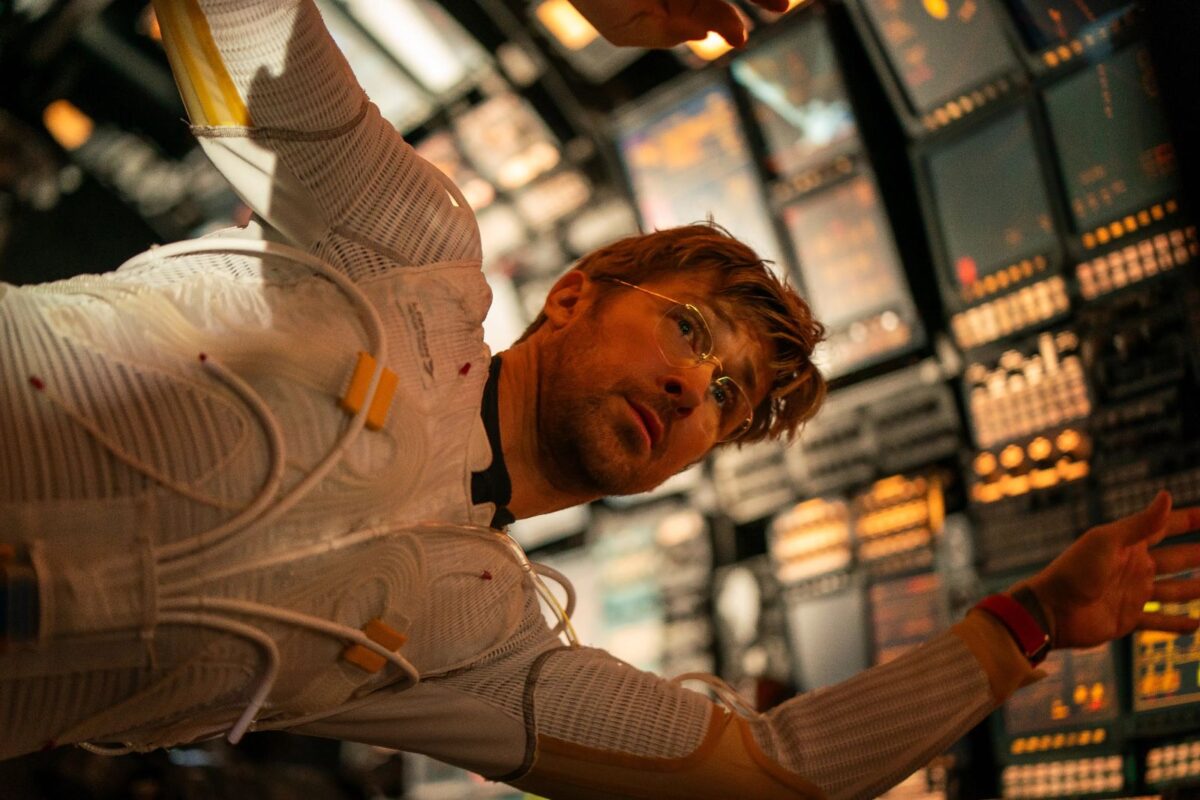
Adapted from the best-selling novel of the same name by Andy Weir, Project Hail Mary has an insufferable opening act that feels like the product of two comedy filmmakers irritated that the previous Weir adaptation––2015’s The Martian––was categorized as a comedy by the Golden Globes and want to show what an actual comic adaptation of his work could look like. That the film manages to course correct with ease after this prolonged opening stretch is a minor miracle, blossoming into an unexpected character-driven buddy picture that doesn’t need to dumb down its lead for lazy laughs. It lives up to the lofty expectation you might have for an irreverent-but-heartfelt Lord-Miller take on this material, even if it doesn’t fully compensate for the clumsy opening act. – Alistair R. (full review)
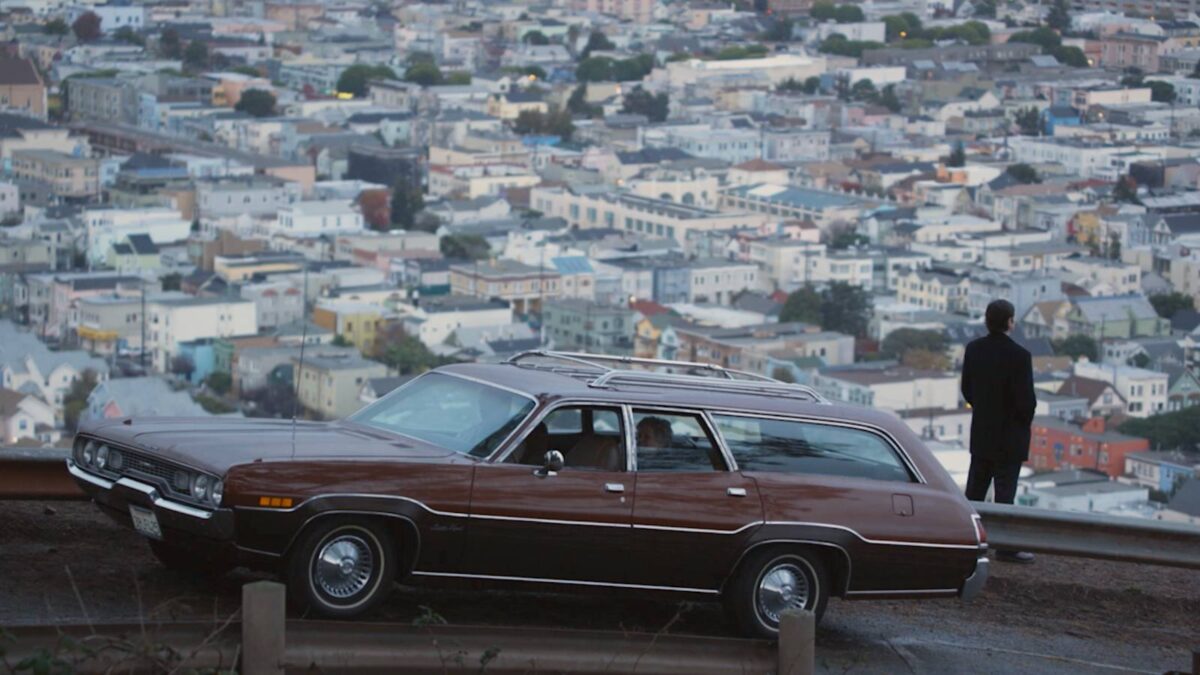
On September 22, 1975, Sara Jane Moore, a 45-year-old single mom, drove into downtown San Francisco, pushed her way to the front of a crowded barricade, reached into her purse, pulled out a pistol, and fired two shots at President Gerald R. Ford as he walked out of the St. Francis Hotel. The first bullet missed him by inches; the second was deflected by a Marine standing beside her. Had Moore used a gun that didn’t have a faulty target, Ford’s appointed Vice President Nelson Rockefeller would have likely assumed the highest office without ever being elected, a sequence of events she felt would expose the country’s flawed and rotting democratic process. – Jake K-S. (full review)
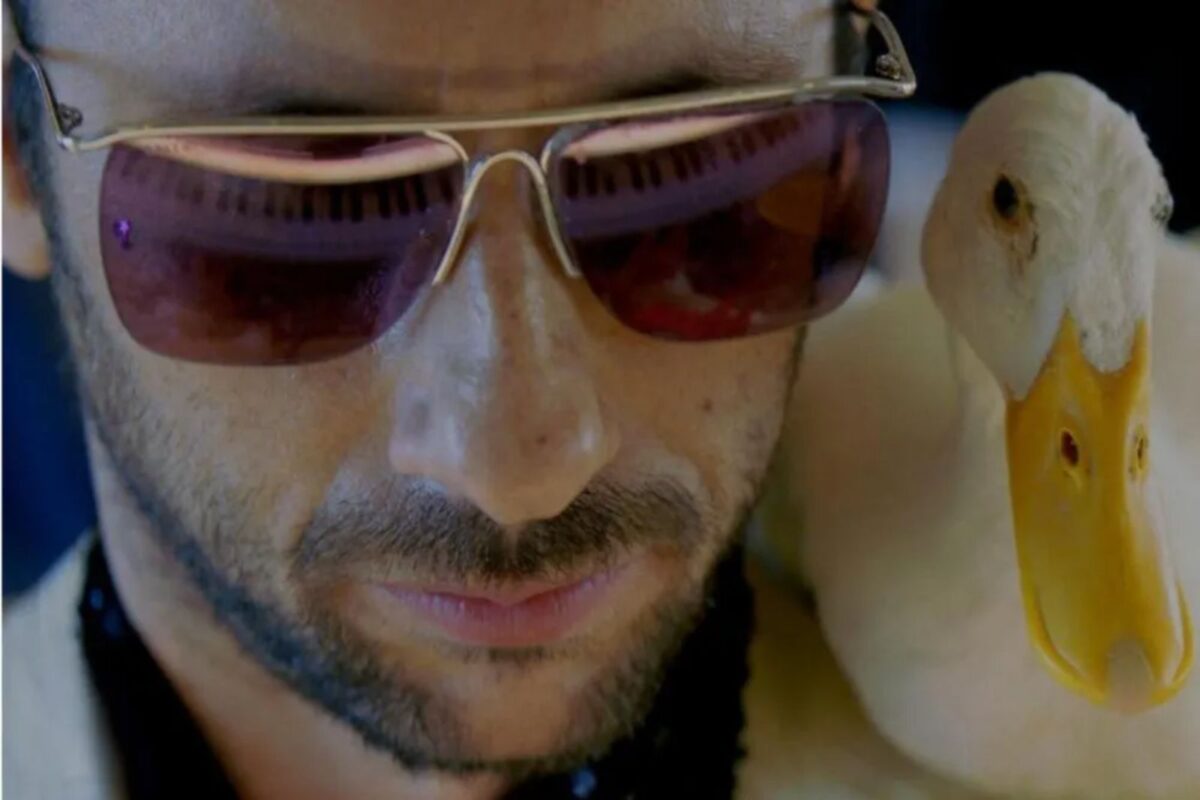
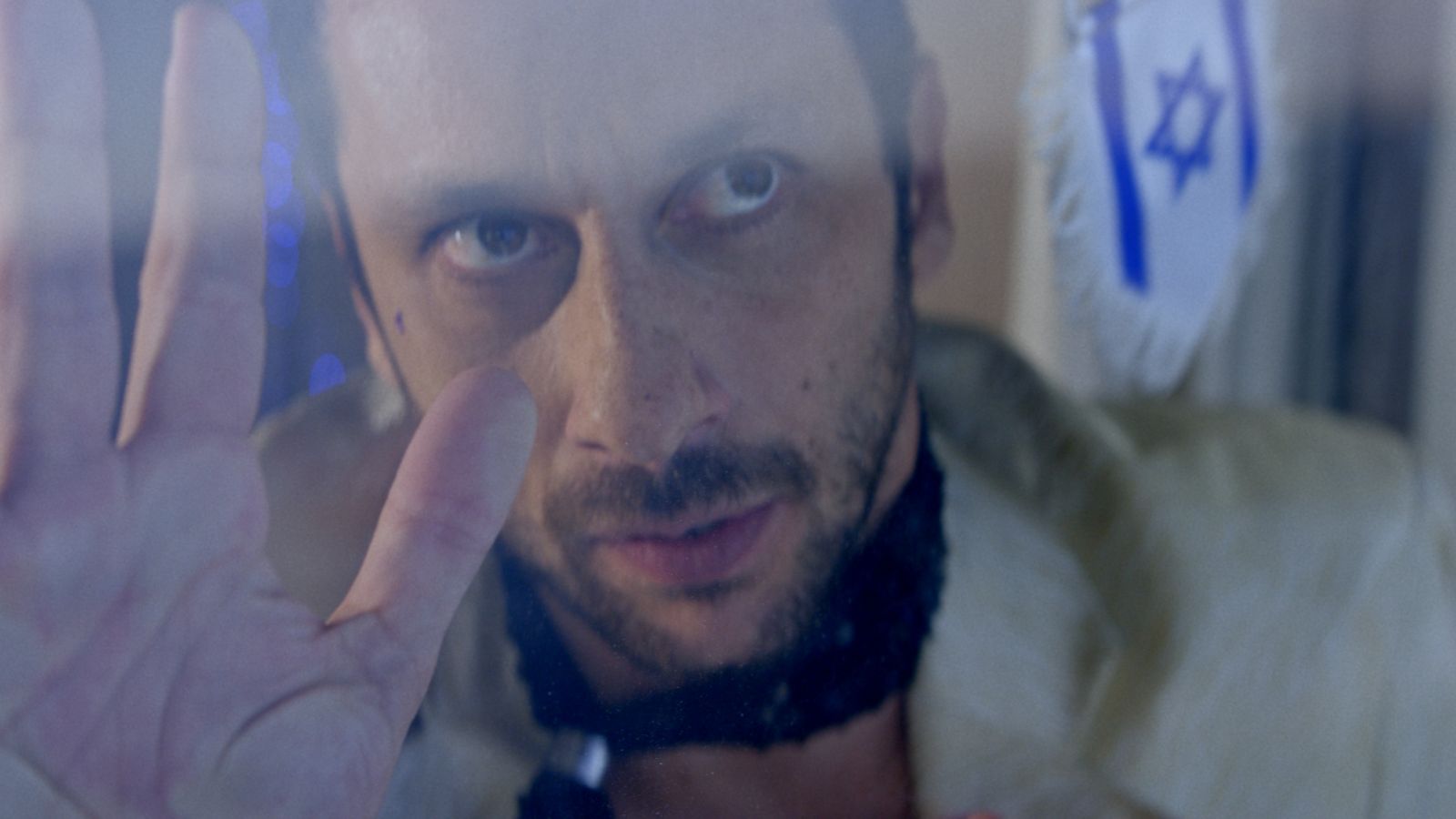
Tel Aviv native, defector, and auteur Nadav Lapid opens his fifth feature in a catastrophic state of carouse. A filmmaker known for his employment of trademark dance sequences, Lapid is back with an equally visceral but uncharacteristically clubby groove in Yes!, a work whose sarcastically enthusiastic title points to the relentless ridicule and hometown mockery that defines it. – Luke H. (full review)
Comments
No comments yet. Be the first.
Sign in to leave a comment.